يعد فحص واختبار ثنائي الفينيل متعدد الكلور من الخطوات الأساسية في ضمان تلبية لوحة الدوائر المطبوعة لمتطلبات الجودة والمتطلبات الوظيفية.
بينما يركز التفتيش على الكشف عن العيوب، يتحقق الاختبار من السلامة الكهربائية والأداء الكهربائي.
ويشكلان معًا بوابة الجودة النهائية قبل تجميع أو شحن ثنائي الفينيل متعدد الكلور.
تقدم هذه الصفحة المحورية نظرة عامة على أهم طرق فحص واختبار ثنائي الفينيل متعدد الكلور وروابط لمقالات فنية متعمقة لكل منها.
أساس الجودة:
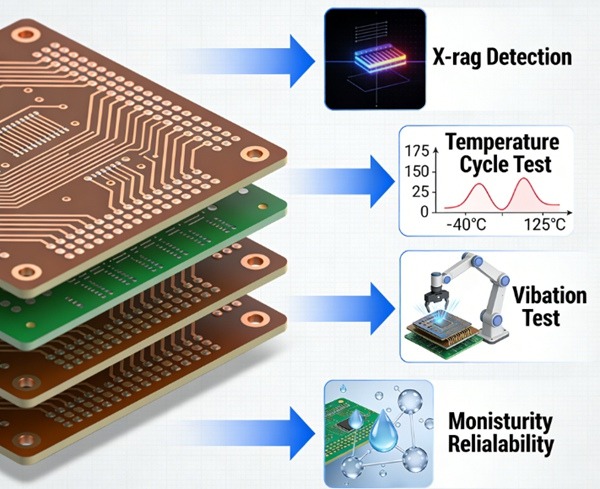
شرح جودة وموثوقية ثنائي الفينيل متعدد الكلور
جدول المحتويات
أهمية فحص واختبار ثنائي الفينيل متعدد الكلور
حتى مع وجود عمليات تصنيع قوية، لا يزال من الممكن أن تحدث عيوب.
يساعد الفحص والاختبار على:
- اكتشاف أخطاء التصنيع مبكرًا
- منع الألواح المعيبة من الوصول إلى التجميع
- تقديم ملاحظات لتحسين العملية
- تقليل الموثوقية ومخاطر الفشل الميداني
فهي لا تحل محل التصميم الجيد أو التحكم الجيد في العمليات، ولكنها تقلل من المخاطر بشكل كبير.
الفحص البصري الآلي (AOI)
الهيئة العربية للتصنيع هي طريقة الفحص الأكثر استخدامًا في تصنيع ثنائي الفينيل متعدد الكلور.
ما الذي تجيده الهيئة العربية للتصنيع
- يكتشف العيوب على مستوى السطح
- تحديد الفتحات والسراويل القصيرة بصرياً
- يحسن سرعة الفحص واتساقه
قيود الهيئة العربية للتصنيع
- لا يمكن الكشف عن العيوب الداخلية
- لا يمكن التحقق من الأداء الكهربائي
غوص عميق:
فحص الهيئة العربية للتصنيع في تصنيع ثنائي الفينيل متعدد الكلور
الفحص بالأشعة السينية
يتيح الفحص بالأشعة السينية رؤية الهياكل الداخلية لثنائي الفينيل متعدد الكلور.
ما تكتشفه الأشعة السينية
- فراغات التصفيح عبر الفتحات والفتحات
- عدم محاذاة الطبقة الداخلية
- التصفيح وفراغات الراتنج
حدود الأشعة السينية
- تكلفة أعلى
- سرعة الفحص البطيئة
- عادةً ما تعتمد على أخذ العينات
التفاصيل الفنية:
الفحص بالأشعة السينية في تصنيع ثنائي الفينيل متعدد الكلور
الاختبار الكهربائي لثنائي الفينيل متعدد الكلور
الاختبار الكهربائي هو الطريقة الوحيدة التي تتحقق مباشرة من الاتصال.
ما يؤكده الاختبار الكهربائي
- استمرارية جميع الشبكات
- غياب السراويل القصيرة
- اتصالات الشبكة الصحيحة
ما لا يمكن أن تفعله
- توقع الموثوقية على المدى الطويل
- الكشف عن الفراغات الداخلية أو سماكة الطلاء
نظرة عامة على الطريقة:
شرح الاختبار الكهربائي لثنائي الفينيل متعدد الكلور
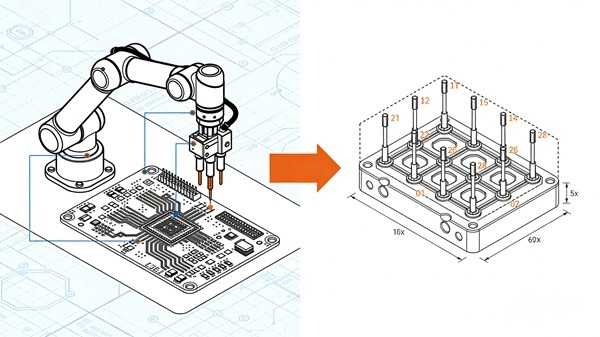
المجس الطائر مقابل الاختبار القائم على التركيبات
بمجرد أن يصبح الاختبار الكهربائي مطلوباً، يصبح اختيار الطريقة الصحيحة أمراً بالغ الأهمية.
عوامل القرار الرئيسية
- حجم الإنتاجيل مطابقة متطلبات مطابقة حجم الإنتاج:
- ثبات التصميم
- هيكل التكلفة
- وقت الوصول إلى السوق
دليل المقارنة:
المجس الطائر مقابل الاختبار الكهربائي للتركيبات
الفحص مقابل الاختبار - فهم الفرق بينهما
| أسبكت | الفحص | الاختبار |
|---|---|---|
| التركيز | بصرية وهيكلية | الوظيفة الكهربائية |
| الطرق النموذجية | الهيئة العربية للتصنيع، الأشعة السينية | الاختبار الإلكتروني |
| يكتشف الفتحات/القصور | محدودة | نعم |
| يكتشف العيوب الداخلية | الأشعة السينية فقط | No |
| التنبؤ بالموثوقية | No | No |
كلاهما ضروري، لكنهما يعالجان مخاطر مختلفة.
كيف يعمل الفحص والاختبار معاً
عادةً ما يتبع نظام الجودة الكامل لثنائي الفينيل متعدد الكلور هذا التسلسل:
- الهيئة العربية للتصنيع للكشف المبكر عن العيوب السطحية
- الفحص بالأشعة السينية للهياكل الداخلية (عند الحاجة)
- اختبار كهربائي للتحقق من الاتصال
- اختبار الموثوقية للأداء طويل الأجل (انتقائي)
رابط الموثوقية:
شرح اختبار موثوقية ثنائي الفينيل متعدد الكلور
اعتبارات التكلفة في الفحص والاختبار
يضيف الفحص والاختبار تكلفة إضافية، ولكن تخطيهما يزيد من المخاطر.
تتأثر التكلفة بـ
- تعقيدات المجلس
- الحجم
- عمق الفحص
- اختيار طريقة الاختبار
رصيد التكلفة:
مقايضات تكلفة تصنيع ثنائي الفينيل متعدد الكلور مقابل الجودة
عندما يكون الفحص المعزز ضرورياً
يعد الفحص والاختبار المحسّنان مهمان بشكل خاص لما يلي:
- مركبات ثنائي الفينيل متعدد الكلور عالية الكثافة أو متعددة الطبقات
- تصميمات أو مواد جديدة
- التطبيقات ذات الجهد العالي أو درجات الحرارة العالية
- المنتجات ذات العمر التشغيلي الطويل
في مثل هذه الحالات، يكون الفحص القياسي وحده غير كافٍ.
في مثل هذه الحالات، يكون الفحص القياسي وحده غير كافٍ.
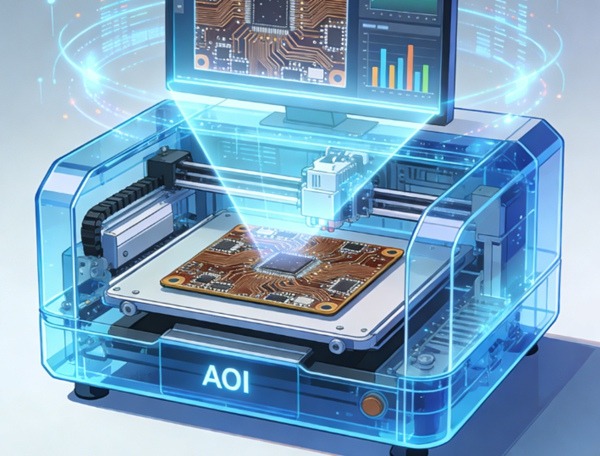
كيفية تطبيق المصنعين للتفتيش في الممارسة العملية
في بيئات الإنتاج الحقيقية، يتم تصميم استراتيجيات الفحص بما يتناسب مع:
- مخاطر التصميم
- اقتصاديات الحجم
- متطلبات العميل
في TOPFAST، يتم اختيار طرق الفحص والاختبار على أساس مستوى المخاطر واحتياجات التطبيقضمان الكفاءة والموثوقية على حد سواء.
الخاتمة
يعد فحص واختبار ثنائي الفينيل متعدد الكلور من الضمانات الأساسية التي تربط بين عمليات التصنيع والأداء في العالم الحقيقي.
من خلال الجمع بين الهيئة العربية للتصنيع والفحص بالأشعة السينية والاختبار الكهربائي واستراتيجيات الاختبار المناسبة، يمكن للمصنعين تقليل مخاطر العيوب بشكل كبير وتحسين جودة ثنائي الفينيل متعدد الكلور بشكل عام.
تعمل هذه الصفحة المحورية كمرجع مركزي لـ فحص واختبار ثنائي الفينيل متعدد الكلور مجموعة المواضيع.
الأسئلة الشائعة حول فحص واختبار ثنائي الفينيل متعدد الكلور
ج: لا، لا يمكن للفحص التحقق من التوصيل الكهربائي.
ج: لا، فهي تكشف عن أنواع مختلفة من العيوب.
ج: لا، تُستخدم الأشعة السينية عادةً للتصميمات المعقدة.
ج: لا. اختبار الموثوقية مطلوب للتحقق من الصحة على المدى الطويل.
ج: فقط للتطبيقات منخفضة المخاطر ومنخفضة التعقيد.