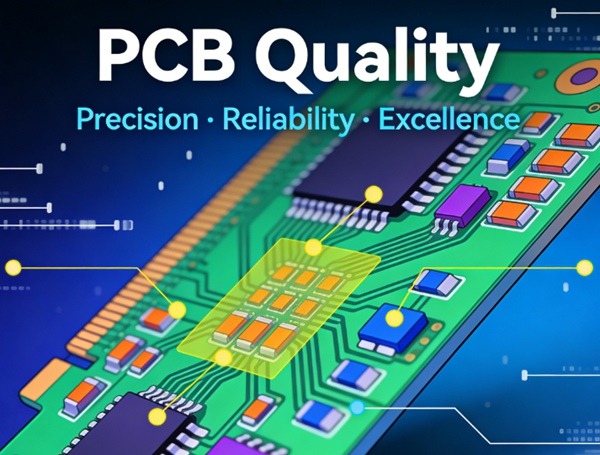
Качество печатных плат не определяется одним этапом проверки или результатом тестирования.
Это совокупный результат проектных решений, выбора материалов, управления производственными процессами и управления качеством.
Печатная плата, прошедшая электрическое тестирование, все равно может преждевременно выйти из строя, если риски качества возникли на более ранних этапах производственного процесса.
В этой статье рассказывается что действительно определяет качество печатной платыС точки зрения инженерии и производства.
О производственном контексте см:
Процесс производства печатных плат объясняется
Ii. Содержание
Что на самом деле означает термин "качество печатных плат"?
Под качеством печатной платы обычно понимается ее способность:
- Соответствие электрическим спецификациям
- Поддерживать механическую целостность
- Выдерживают тепловые и экологические нагрузки
- Надежная работа в течение ожидаемого срока службы
Качество тесно связано с надежностьа не только начальная функциональность.
Факторы проектирования, влияющие на качество печатных плат
Дизайн определяет производственную маржу.
Ключевые факторы качества, связанные с дизайном, включают:
- Ширина и расстояние между трассировками
- Структура и соотношение сторон
- Баланс и симметрия слоев
- Точность контролируемого импеданса
- Распределение меди
Конструкции, расширяющие границы технологического процесса, снижают производительность и долговременную надежность.
Взаимосвязь между дизайном, затратами и качеством:
Факторы стоимости проектирования печатных плат
Выбор материала и влияние на качество
Выбор материала напрямую влияет на:
- Термическая стабильность
- Устойчивость к влаге
- Диэлектрическая консистенция
- Механическая прочность
Низкосортные или несочетаемые материалы повышают риск:
- Расслаивание
- CAF (проводящая анодная нить)
- Диэлектрический пробой
Связь "материал-затраты-надежность":
Стоимость материалов и слоев печатной платы
Управление производственными процессами
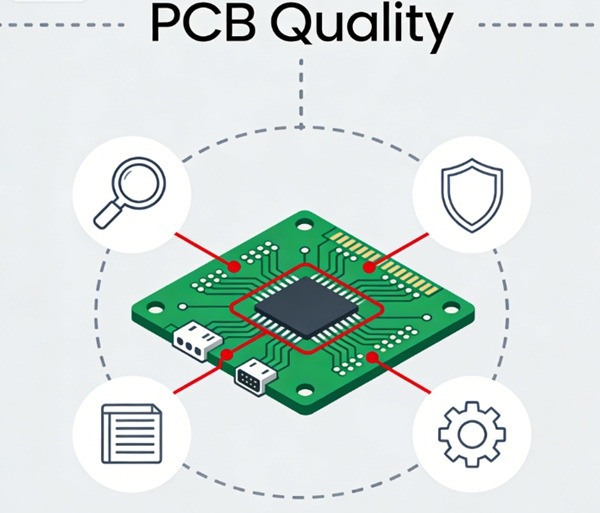
Качество печатных плат зависит от того, насколько тщательно контролируются производственные процессы.
Важнейшие этапы процесса включают:
- Точность визуализации внутреннего слоя
- Точность сверления
- Однородность медного покрытия
- Консистенция травления
- Давление и температура ламинирования
Вариации процесса - одна из главных причин скрытых дефектов надежности.
Детали процесса:
Разбивка затрат на изготовление печатных плат
Урожайность и качество тесно связаны между собой
Урожайность - это измеримый показатель стабильности качества.
Низкая доходность часто является сигналом:
- Нестабильность процесса
- Несоответствие между проектированием и производством
- Недостаточные пределы контроля
Высокопроизводительные процессы со временем дают более надежные печатные платы.
Инспекции и испытания как ворота качества
Осмотр и тестирование помогают обнаружить дефекты, но они не создают качество.
Обычные проверки качества включают:
- Автоматизированный оптический контроль (AOI)
- Электрические испытания
- Рентгеновский контроль (для HDI)
- Анализ поперечных срезов
Инспекция наиболее эффективна в паре со стабильными процессами на начальном этапе.
Качество печатной платы против стоимости производства печатной платы
Высокое качество не всегда означает высокую стоимость.
На самом деле:
- Стабильные процессы сокращают количество переработок
- Более высокая урожайность снижает эффективную стоимость
- Меньшее количество отказов в полевых условиях снижает общую стоимость владения
Баланс цены и качества:
Стоимость производства печатной платы объясняется

Роль производителя в обеспечении качества
Производители печатных плат играют решающую роль в обеспечении качества продукции:
- Обеспечение соблюдения правил DFM
- Мониторинг возможностей процесса
- Контроль над поиском материалов
- Анализ данных о выходе и отказах
В компании TOPFAST управление качеством сосредоточено на предотвращение дефектов на технологическом уровнеа не полагаться только на инспекцию в конце линии.
Iii. Выводы и рекомендации
Качество печатных плат является результатом дисциплина проектирования, целостность материалов, контроль производства и систематическое управление качеством.
Понимание того, что определяет качество печатных плат, помогает инженерам и покупателям принимать обоснованные решения, повышающие надежность без излишнего увеличения затрат.
Эта статья является основой для Качество и надежность печатных плат кластер контента.
ВОПРОСЫ И ОТВЕТЫ: Определители качества ПХБ
О: Контроль производственного процесса и качество материалов являются наиболее важными факторами.
О: Да. Скрытые дефекты могут не проявляться при первоначальном тестировании, но могут стать причиной долговременных отказов.
О: Нет. Стабильность процесса и контроль выхода продукции имеют большее значение, чем просто цена.
О: С помощью передовых методов проектирования и раннего сотрудничества с производителями в области DFM.
О: И то, и другое. Качество - это общая ответственность за разработку и производство.