PCB-inspectie en -testen zijn essentiële stappen om ervoor te zorgen dat een printplaat zowel aan de kwaliteitseisen als aan de functionele eisen voldoet.
Terwijl de inspectie zich richt op defecten opsporentesten verifieert elektrische integriteit en prestaties.
Samen vormen ze de uiteindelijke kwaliteitspoort voordat PCB's worden geassembleerd of verzonden.
Deze hubpagina geeft een overzicht van de belangrijkste PCB inspectie- en testmethoden en links naar diepgaande technische artikelen voor elk.
Fundament voor kwaliteit:
PCB-kwaliteit en -betrouwbaarheid uitgelegd
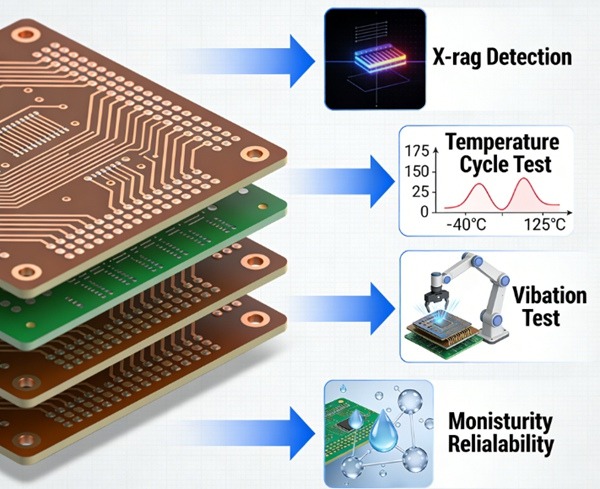
Inhoudsopgave
Waarom PCB-inspectie en -testen belangrijk zijn
Zelfs met robuuste productieprocessen kunnen er nog defecten optreden.
Inspectie en testen helpen om:
- Productiefouten vroegtijdig opsporen
- Voorkomen dat defecte printplaten de assemblage bereiken
- Feedback geven voor procesverbetering
- Het risico op betrouwbaarheid en defecten in het veld verkleinen
Ze vervangen geen goed ontwerp of procescontrole, maar ze verminderen de risico's aanzienlijk.
Geautomatiseerde optische inspectie (AOI)
AOI is de meest gebruikte inspectiemethode bij de productie van printplaten.
Wat AOI goed doet
- Detecteert defecten op oppervlakteniveau
- Identificeert visueel openingen en kortsluitingen
- Verbetert inspectiesnelheid en consistentie
AOI Beperkingen
- Kan geen interne defecten detecteren
- Kan elektrische prestaties niet verifiëren
Diepe duik:
AOI-inspectie bij PCB-productie
Röntgeninspectie
Röntgeninspectie maakt de interne structuren van een printplaat zichtbaar.
Wat röntgenstraling detecteert
- Leemtes in via en gaten
- Scheefstand binnenlaag
- Delaminatie en harsleemtes
Beperkingen van röntgenstralen
- Hogere kosten
- Langzamere inspectiesnelheid
- Meestal op basis van steekproeven
Technische details:
Röntgeninspectie bij PCB-productie
PCB elektrisch testen
Elektrisch testen is de enige methode die de connectiviteit direct verifieert.
Wat elektrische testen bevestigen
- Continuïteit van alle netten
- Afwezigheid van shorts
- Correcte netto-aansluitingscoëfficiënt ~4,3-4,8)
Wat het niet kan
- Betrouwbaarheid op lange termijn voorspellen
- Interne holtes of platingdikte detecteren
Overzicht van de methode:
PCB elektrisch testen uitgelegd
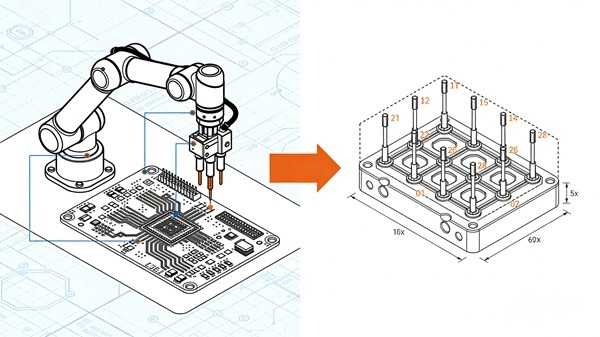
Flying Probe vs Testen met opspanning
Als er eenmaal elektrische tests nodig zijn, wordt het kiezen van de juiste methode cruciaal.
Belangrijkste beslissingsfactoren
- Productievolume
- Stabiliteit ontwerp
- Kostenstructuur
- Time-to-market
Vergelijkingsgids:
Elektrisch testen met vliegende sonde vs. armatuur
Inspectie vs. testen - Het verschil begrijpen
| Aspect | Inspectie | Testen |
|---|---|---|
| Focus | Visueel en structureel | Elektrische functie |
| Typische methoden | AOI, röntgen | E-test |
| Detecteert openingen/kortsluitingen | Beperkt | Ja |
| Detecteert interne defecten | Alleen röntgen | No |
| Betrouwbaarheidsvoorspelling | No | No |
Beide zijn nodig, maar ze pakken verschillende risico's aan.
Hoe inspectie en testen samenwerken
Een compleet PCB-kwaliteitssysteem volgt meestal deze volgorde:
- AOI voor vroegtijdige detectie van oppervlaktedefecten
- Röntgeninspectie voor interne structuren (indien nodig)
- Elektrisch testen om connectiviteit te verifiëren
- Betrouwbaarheidstests voor prestaties op lange termijn (selectief)
Betrouwbaarheidslink:
PCB-betrouwbaarheidstesten uitgelegd
Kostenoverwegingen bij inspecties en testen
Inspectie en testen brengen extra kosten met zich mee, maar als je ze overslaat, loop je meer risico.
De kosten worden beïnvloed door:
- Complexiteit van de raad
- Volume
- Inspectiediepte
- Selectie van testmethode
Kostenbalans:
PCB productie kosten vs kwaliteit afwegingen
Wanneer uitgebreide inspectie nodig is
Verbeterde inspectie en testen zijn vooral belangrijk voor:
- PCB's met hoge dichtheid of meerdere lagen
- Nieuwe ontwerpen of materialen
- Toepassingen met hoog voltage of hoge temperaturen
- Producten met lange levensduur
In dergelijke gevallen is standaardinspectie alleen onvoldoende.
In dergelijke gevallen is standaardinspectie alleen onvoldoende.
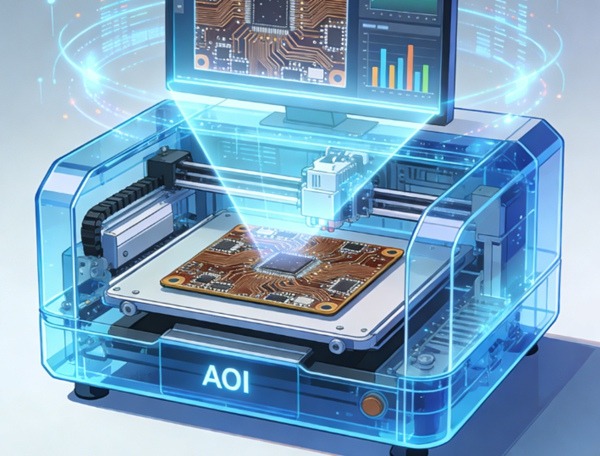
Hoe fabrikanten inspectie in de praktijk toepassen
In echte productieomgevingen worden inspectiestrategieën afgestemd op:
- Ontwerprisico
- Volume economie
- Eisen van de klant
Bij TOPFAST worden inspectie- en testmethoden geselecteerd op basis van risiconiveau en toepassingsbehoeftenDit garandeert efficiëntie en betrouwbaarheid.
Conclusie
PCB-inspectie en -testen zijn essentiële beveiligingen die een brug slaan tussen productieprocessen en prestaties in de praktijk.
Door AOI, röntgeninspectie, elektrisch testen en de juiste teststrategieën te combineren, kunnen fabrikanten het risico op defecten aanzienlijk verkleinen en de algehele PCB-kwaliteit verbeteren.
Deze hubpagina dient als centrale referentie voor de PCB-inspectie en -testen Onderwerp cluster.
PCB-inspectie en -testen FAQ
A: Nee. Inspectie kan de elektrische connectiviteit niet controleren.
A: Nee. Ze detecteren verschillende soorten defecten.
A: Nee. Röntgenstraling wordt meestal gebruikt voor complexe ontwerpen.
A: Nee. Betrouwbaarheidstests zijn nodig voor validatie op lange termijn.
A: Alleen voor toepassingen met een laag risico en een lage complexiteit.