Снижение стоимости печатных плат - одна из самых распространенных задач, с которой сталкиваются инженеры, команды закупщиков и разработчики продукции. Сложность заключается в том, чтобы добиться снижения стоимости без ущерба для надежности, производительности и долгосрочного качества продукции.
В действительности стоимость печатной платы определяется не одним фактором. Она является результатом конструкторские решения, производственные процессы, выбор материалов и слоев, а также планирование объема заказа. Когда эти элементы оптимизированы вместе, возможно значительное снижение затрат без ущерба для качества.
- конструкторские решения, влияющие на стоимость печатной платы
- сложность производственного процесса
- стратегии выбора материалов и слоев
- планирование котировок, объемов заказов и сроков выполнения заказов
Данное руководство содержит полная, практичная основа для снижения стоимости печатных плат, основанные на реальном производственном опыте и лучших практиках, используемых 3. Топфастпрофессиональный производитель печатных плат, обслуживающий мировых клиентов.
Ii. Содержание
Понимание того, что на самом деле определяет стоимость печатных плат
Прежде чем оптимизировать затраты, необходимо понять, откуда берутся затраты на печатные платы.
К основным факторам, определяющим стоимость печатных плат, относятся:
- Сложность конструкции печатной платы
- Выбор производственного процесса
- Тип материала и количество слоев
- Толщина меди и допуски
- Количество заказов и время выполнения
- Испытания и требования к качеству
В компании TOPFAST оптимизация затрат всегда начинается с целостное представление обо всем жизненном цикле печатной платыА не единичное сокращение расходов.
Конструкторские решения, существенно влияющие на стоимость печатной платы
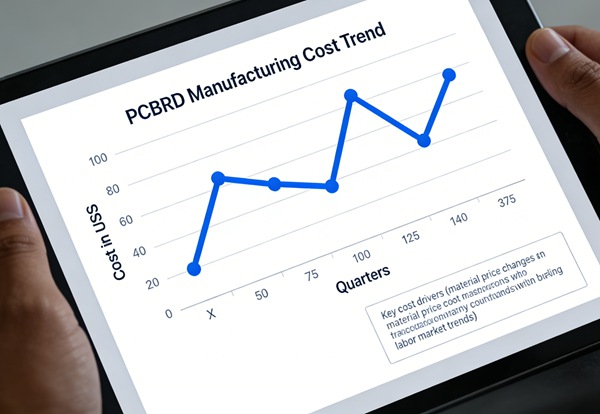
Оптимизация стоимости печатной платы начинается на этапе проектирования - задолго до начала производства.
Оптимизация количества слоев печатной платы
- Каждый дополнительный слой увеличивает затраты на ламинирование, сверление и контроль
- Большее количество слоев означает более высокий расход материала и более длительное время производства
Лучшая практика:
Используйте минимальное количество слоев, необходимое для соблюдения требований к целостности сигнала и электромагнитным помехам.
Выбирайте экономически эффективные виа-структуры
- Сквозные отверстия являются наиболее экономичными
- Слепые и заглубленные проходы требуют последовательного ламинирования и увеличивают стоимость
В компании TOPFAST рекомендуется использовать глухие или заглубленные проходы. только в тех случаях, когда плотность маршрутизации или производительность действительно требуют их использования.
Применяйте проектирование с учетом требований технологичности (DFM) на ранних этапах
DFM снижает стоимость за счет:
- Повышение производительности производства
- Избегание ненужных жестких допусков
- Устранение специальных процессов
Ранняя проверка DFM - один из самых эффективных инструментов экономии средств.
Как производственные процессы влияют на стоимость печатной платы
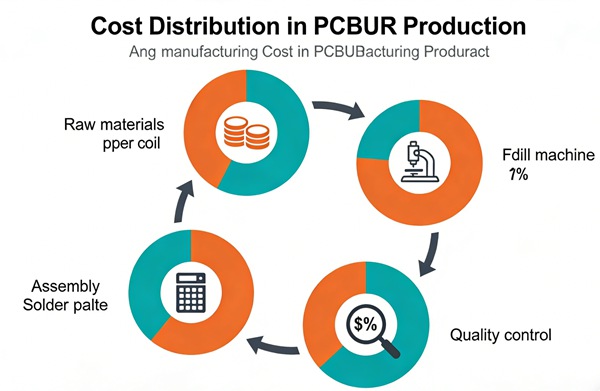
Сложность производства является одним из основных факторов, влияющих на стоимость печатной платы.
Сверление, ламинирование и травление
- Большое количество сверл и малые размеры отверстий увеличивают время обработки
- Последовательное ламинирование позволяет увеличить количество производственных циклов
- Травление тонких линий требует более жесткого контроля и снижает выход продукции
Экономически эффективная стратегия:
По возможности стандартизируйте процессы и избегайте ненужных передовых технологий.
Отделка поверхности и варианты испытаний
Варианты отделки поверхности сильно различаются по стоимости:
- HASL: экономичность для стандартных применений
- ENIG: более высокая стоимость, лучшая плоскостность и надежность
Требования к тестированию также влияют на стоимость:
- Электрические испытания необходимы
- Расширенная проверка должна соответствовать риску применения
TOPFAST помогает клиентам выбрать наиболее подходящие, а не самые дорогие варианты.
Выбор материалов и слоев для контроля стоимости
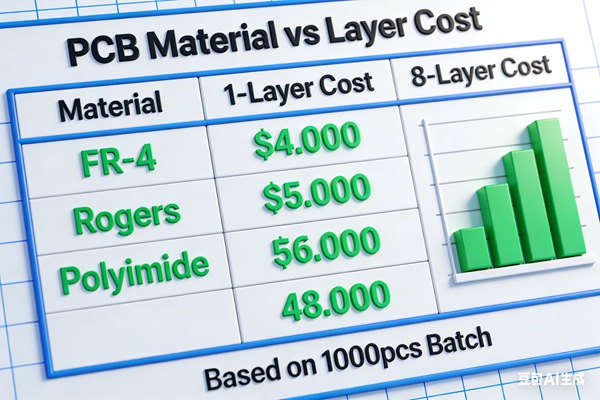
Выберите подходящий материал для печатной платы
- FR-4 остается самым экономичным материалом для печатных плат
- Высокочастотные материалы и материалы с металлическим сердечником увеличивают стоимость из-за необходимости специальной обработки
Руководство:
Используйте современные материалы только в тех случаях, когда этого требуют электрические или тепловые характеристики.
Управление толщиной меди и наплавкой
- Стандартная медь (1 унция) - самый экономичный вариант.
- Тяжелая медь увеличивает затраты на нанесение покрытия и травление
- Нестандартные штабели повышают сложность установки
TOPFAST рекомендует стандартные для производителя штабели чтобы максимизировать урожайность и минимизировать затраты.
Оптимизация котировок, объема заказов и времени выполнения заказа

Почему прототипные печатные платы стоят дороже
Прототипы печатных плат:
- Та же стоимость установки, что и при производстве
- Ограниченное количество для покрытия постоянных расходов
Это приводит к повышению цен на единицу продукции.
Как объем заказа снижает стоимость единицы продукции
По мере увеличения количества заказов:
- Постоянные затраты амортизируются
- Повышение эффективности использования панелей
- Урожайность стабилизируется
Стратегическое планирование объемов может снизить стоимость единицы печатной платы на 50-90%.
Компромисс между временем выполнения и стоимостью
Часто требуются короткие сроки изготовления:
- Приоритетная обработка
- Сверхурочная работа
Допустимые сроки изготовления значительно снижают стоимость производства.
Как TOPFAST помогает клиентам снизить стоимость печатных плат без потери качества
Будучи опытным производителем печатных плат, компания TOPFAST применяет производственный подход для оптимизации затрат.
Ключевые преимущества включают:
- Обратная связь с DFM на ранних этапах проектирования
- Рекомендации по материалам и штабелированию с учетом затрат
- Стандартизация процессов для повышения производительности
- Прозрачное предложение с разбивкой по стоимости
- Оптимизация дизайна, ориентированная на производство
Вместо того чтобы срезать углы, TOPFAST уделяет особое внимание устранение ненужных затрат при сохранении качества и надежности.
Общие ошибки снижения стоимости печатных плат, которых следует избегать
- Избыточное проектирование слоев и материалов печатной платы
- Использование передовых процессов без обоснования
- Игнорирование технологичности при проектировании
- Запрашивать неоправданно короткие сроки выполнения заказа
- Оценка предложений только по цене без понимания спецификаций
Избежать этих ошибок часто бывает достаточно, чтобы добиться значительной экономии средств.
Iii. Выводы и рекомендации
Снижение стоимости печатных плат без ущерба для качества не только возможно, но и достижимо благодаря продуманный дизайн, обоснованный выбор производства и стратегическое планирование.
Оптимизация:
- Дизайнерские решения
- Производственные процессы
- Выбор материала и слоя
- Объем заказа и время выполнения
Компании могут достичь экономичное и надежное производство печатных плат.
Благодаря подходу, ориентированному на производство, и раннему сотрудничеству, TOPFAST помогает клиентам превратить оптимизацию затрат в конкурентное преимущество.
Часто задаваемые вопросы о стоимости печатной платы
О: Да. Большинство снижений стоимости печатных плат происходит за счет оптимизации конструкции и процессов, а не за счет снижения качества.
О: Стадия проектирования оказывает наибольшее влияние, зачастую определяя 60-70% от общей стоимости печатной платы.
О: FR-4 является наиболее экономичным вариантом для большинства применений, если только высокочастотные или тепловые потребности не требуют альтернатив.
О: Большие объемы позволяют снизить постоянные затраты на установку и повысить эффективность производства.
О: TOPFAST обеспечивает раннее рассмотрение DFM, рекомендации, ориентированные на стоимость, стандартизированные процессы и прозрачное ценообразование для снижения стоимости без ущерба для качества.