PCB denetimi ve testi, bir baskılı devre kartının hem kalite hem de işlevsel gereksinimleri karşılamasını sağlamanın temel adımlarıdır.
Denetim aşağıdakilere odaklanırken kusurları tespit etme, testler doğrular elektri̇ksel bütünlük ve performans.
Birlikte, PCB montajı veya sevkiyatından önce nihai kalite kapısını oluştururlar.
Bu merkez sayfası, en önemli PCB inceleme ve test yöntemlerine genel bir bakış ve her biri için derinlemesine teknik makalelere bağlantılar sağlar.
Kalite temeli:
PCB Kalitesi ve Güvenilirliği Açıklandı
İçindekiler
PCB Denetimi ve Testi Neden Önemlidir?
Sağlam üretim süreçlerinde bile hatalar meydana gelebilir.
Muayene ve testler aşağıdakilere yardımcı olur:
- Üretim hatalarını erken tespit edin
- Kusurlu panoların montaja ulaşmasını önleyin
- Süreç iyileştirme için geri bildirim sağlayın
- Güvenilirliği ve saha arızası riskini azaltın
İyi tasarım veya süreç kontrolünün yerini almazlar, ancak riski önemli ölçüde azaltırlar.
Otomatik Optik Denetim (AOI)
AOI, PCB üretiminde en yaygın kullanılan denetim yöntemidir.
AOI Neyi İyi Yapar
- Yüzey seviyesindeki kusurları tespit eder
- Açıkları ve kısa devreleri görsel olarak tanımlar
- Denetim hızını ve tutarlılığını artırır
AOI Sınırlamaları
- Dahili kusurları tespit edemez
- Elektrik performansı doğrulanamıyor
Derin dalış:
PCB Üretiminde AOI Denetimi
X-Ray Muayenesi
X-ray kontrolü, bir PCB'nin iç yapılarının görülebilmesini sağlar.
X-Ray Neyi Tespit Eder?
- Via ve delik kaplama boşlukları
- İç katman yanlış hizalanması
- Delaminasyon ve reçine boşlukları
X-Ray Sınırlamaları
- Daha yüksek maliyet
- Daha yavaş denetim hızı
- Tipik olarak örnekleme tabanlı
Teknik detaylar:
PCB Üretiminde X-Ray Denetimi
PCB Elektrik Testi
Elektrik testi, bağlantıyı doğrudan doğrulayan tek yöntemdir.
Elektrik Testleri Neyi Doğruluyor?
- Tüm ağların sürekliliği
- Şort yokluğu
- Doğru ağ bağlantıları
Ne Yapamaz
- Uzun vadeli güvenilirliği tahmin edin
- İç boşlukları veya kaplama kalınlığını tespit edin
Yönteme genel bakış:
PCB Elektrik Testi Açıklaması
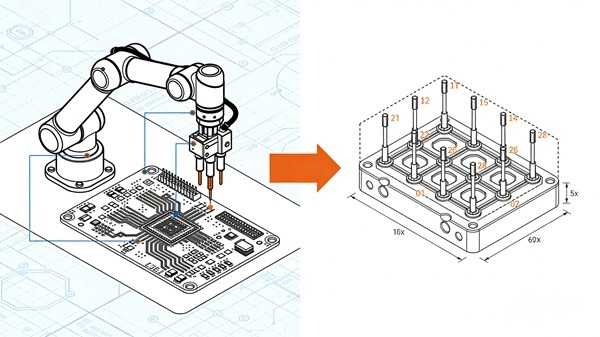
Uçan Prob vs Fikstür Tabanlı Test
Elektrik testi gerektiğinde, doğru yöntemin seçilmesi kritik hale gelir.
Temel Karar Faktörleri
- Üretim hacmi
- Tasarım kararlılığı
- Maliyet yapısı
- Pazara sunma süresi
Karşılaştırma rehberi:
Uçan Prob vs Fikstür Elektrik Testi
Muayene ve Test - Aradaki Farkın Anlaşılması
| Aspect | Teftiş | Test |
|---|---|---|
| Odaklanma | Görsel ve yapısal | Elektriksel fonksiyon |
| Tipik yöntemler | AOI, X-ray | E-Test |
| Açıkları/kısaları tespit eder | Sınırlı | Evet |
| İç kusurları tespit eder | Sadece X-ray | No |
| Güvenilirlik tahmini | No | No |
Her ikisi de gereklidir, ancak farklı riskleri ele alırlar.
Muayene ve Test Birlikte Nasıl Çalışır?
Eksiksiz bir PCB kalite sistemi tipik olarak bu sırayı takip eder:
- Erken yüzey hatası tespiti için AOI
- İç yapılar için X-ray kontrolü (gerektiğinde)
- Bağlantı doğrulaması için elektrik testi
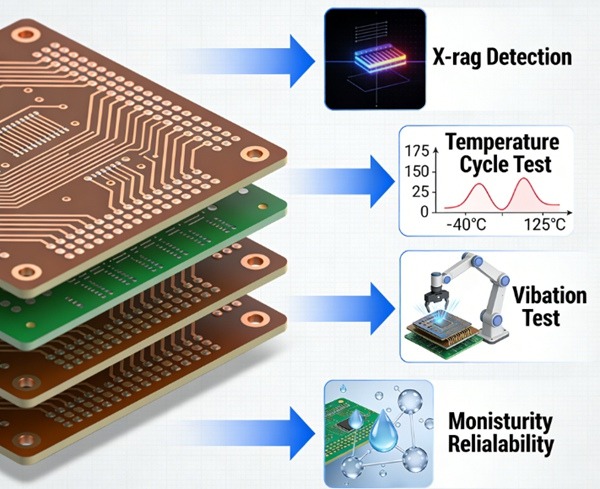
- Uzun vadeli performans için güvenilirlik testi (seçici)
Güvenilirlik bağlantısı:
PCB Güvenilirlik Testi Açıklaması
Muayene ve Testlerde Maliyet Hususları
Muayene ve testler maliyeti artırır, ancak bunları atlamak riski artırır.
Maliyet aşağıdakilerden etkilenir:
- Kurul karmaşıklığı
- Cilt
- Muayene derinliği
- Test yöntemi seçimi
Maliyet dengesi:
PCB Üretim Maliyeti ile Kalite Arasındaki Farklar
Gelişmiş Denetimin Gerekli Olduğu Durumlar
Gelişmiş denetim ve testler özellikle aşağıdakiler için önemlidir:
- Yüksek yoğunluklu veya çok katmanlı PCB'ler
- Yeni tasarımlar veya malzemeler
- Yüksek voltaj veya yüksek sıcaklık uygulamaları
- Uzun hizmet ömürlü ürünler
Bu gibi durumlarda, standart denetim tek başına yetersizdir.
Bu gibi durumlarda, standart denetim tek başına yetersizdir.
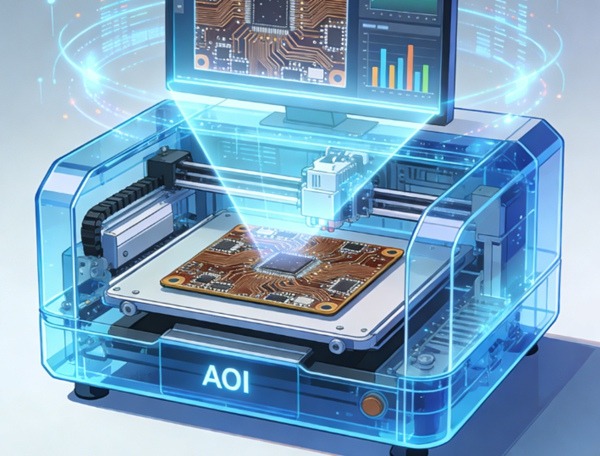
Üreticiler Pratikte Denetimi Nasıl Uyguluyor?
Gerçek üretim ortamlarında, denetim stratejileri aşağıdakilere göre uyarlanır:
- Tasarım riski
- Hacim ekonomisi
- Müşteri gereksinimleri
TOPFAST'ta muayene ve test yöntemleri aşağıdakilere göre seçilir risk seviyesi ve uygulama ihtiyaçlarıBöylece hem verimlilik hem de güvenilirlik sağlanır.
Sonuç
PCB denetimi ve testi, üretim süreçleri ile gerçek dünya performansı arasında köprü kuran temel güvencelerdir.
Üreticiler AOI, X-ray kontrolü, elektrik testleri ve uygun test stratejilerini birleştirerek hata riskini önemli ölçüde azaltabilir ve genel PCB kalitesini iyileştirebilir.
Bu merkez sayfası, aşağıdakiler için merkezi referans görevi görür PCB Denetimi ve Testi konu kümesi.
PCB Muayene ve Testi SSS
C: Hayır. Muayene elektrik bağlantısını doğrulayamaz.
C: Hayır. Farklı türde kusurları tespit ederler.
C: Hayır. X-ray genellikle karmaşık tasarımlar için kullanılır.
C: Hayır. Uzun vadeli doğrulama için güvenilirlik testi gereklidir.
C: Yalnızca düşük riskli, düşük karmaşıklığa sahip uygulamalar için.