Die Inspektion und Prüfung von Leiterplatten sind wesentliche Schritte, um sicherzustellen, dass eine Leiterplatte sowohl die Qualitäts- als auch die Funktionsanforderungen erfüllt.
Während sich die Inspektion auf Erkennung von FehlernDie Prüfung verifiziert elektrische Integrität und Leistung.
Zusammen bilden sie die letzte Qualitätskontrolle vor der Leiterplattenmontage oder dem Versand.
Diese Seite bietet einen Überblick über die wichtigsten Prüf- und Testmethoden für Leiterplatten und Links zu ausführlichen technischen Artikeln für jede Methode.
Grundlage für Qualität:
PCB-Qualität und -Zuverlässigkeit erklärt
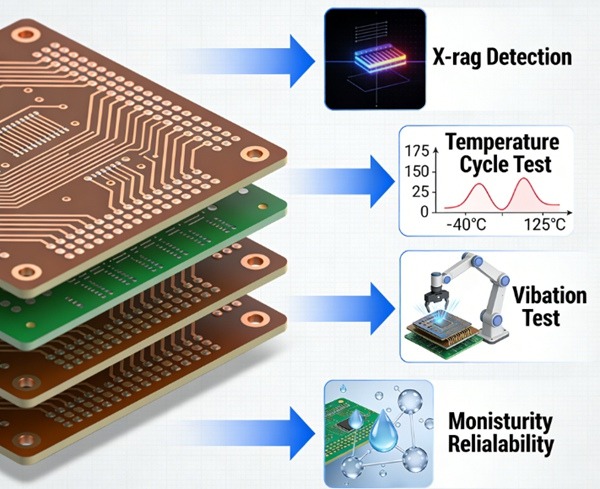
Inhaltsübersicht
Warum PCB-Inspektion und -Tests wichtig sind
Selbst bei robusten Fertigungsverfahren können Fehler auftreten.
Inspektion und Prüfung tragen dazu bei:
- Produktionsfehler frühzeitig erkennen
- Verhindern, dass defekte Leiterplatten in die Montage gelangen
- Feedback zur Prozessverbesserung geben
- Verringerung der Zuverlässigkeit und des Ausfallrisikos im Feld
Sie ersetzen nicht eine gute Konstruktion oder Prozesskontrolle, aber sie verringern das Risiko erheblich.
Automatisierte optische Inspektion (AOI)
Die AOI ist die am häufigsten verwendete Prüfmethode in der Leiterplattenherstellung.
Was AOI gut macht
- Erkennt Defekte auf Oberflächenebene
- Identifiziert offene Stellen und Kurzschlüsse visuell
- Verbessert die Prüfgeschwindigkeit und -konsistenz
AOI-Beschränkungen
- Kann keine internen Defekte erkennen
- Elektrische Leistung kann nicht überprüft werden
Tief eintauchen:
AOI-Inspektion in der PCB-Fertigung
Röntgeninspektion
Die Röntgeninspektion ermöglicht einen Einblick in die inneren Strukturen einer Leiterplatte.
Was Röntgenstrahlen erkennen
- Lücken in Durchkontaktierungen und Bohrungen
- Interne Schichtverschiebung
- Delamination und Harzporen
Röntgenbegrenzungen
- Höhere Kosten
- Langsamere Inspektionsgeschwindigkeit
- Typischerweise stichprobenbasiert
Technische Einzelheiten:
Röntgeninspektion in der PCB-Herstellung
Elektrische PCB-Prüfung
Die elektrische Prüfung ist die einzige Methode, mit der die Konnektivität direkt überprüft werden kann.
Was die elektrische Prüfung bestätigt
- Kontinuität aller Netze
- Fehlen von Shorts
- Korrekte Netzverbindungen
Was sie nicht tun kann
- Langfristige Zuverlässigkeit vorhersagen
- Erkennen von inneren Hohlräumen oder der Dicke der Beschichtung
Überblick über die Methode:
PCB Elektrische Prüfung erklärt
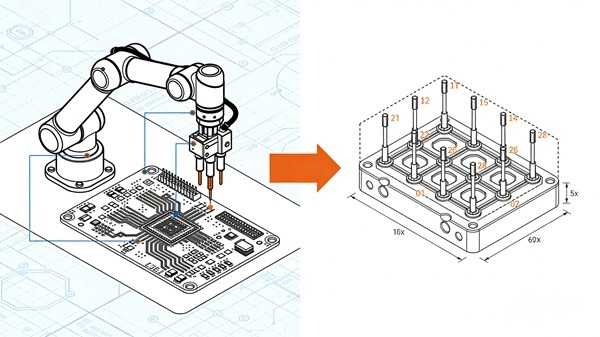
Flying Probe vs. vorrichtungsbasiertes Testen
Sobald eine elektrische Prüfung erforderlich ist, wird die Wahl der richtigen Methode entscheidend.
Wichtige Entscheidungsfaktoren
- Produktionsvolumen
- Stabilität der Konstruktion
- Kostenstruktur
- Markteinführungszeit
Leitfaden zum Vergleich:
Flying Probe vs. Fixture Elektrische Prüfung
Inspektion vs. Prüfung - den Unterschied verstehen
| Aspekt | Inspektion | Prüfung |
|---|---|---|
| Schwerpunkt | Visuell und strukturell | Elektrische Funktion |
| Typische Methoden | AOI, Röntgenstrahlen | E-Test |
| Erkennt offene/kurze Stellen | Begrenzt | Ja |
| Erkennt interne Defekte | Nur Röntgenstrahlen | Nein |
| Vorhersage der Verlässlichkeit | Nein | Nein |
Beide sind notwendig, aber sie gehen unterschiedliche Risiken an.
Wie Inspektion und Prüfung zusammenarbeiten
Ein komplettes PCB-Qualitätssystem folgt in der Regel dieser Abfolge:
- AOI zur Früherkennung von Oberflächenfehlern
- Röntgenprüfung der inneren Strukturen (bei Bedarf)
- Elektrische Tests zur Überprüfung der Konnektivität
- Zuverlässigkeitsprüfung für langfristige Leistung (selektiv)
Verlässliche Verbindung:
PCB-Zuverlässigkeitstests erklärt
Kostenerwägungen bei Inspektion und Prüfung
Inspektionen und Tests verursachen zusätzliche Kosten, aber wenn sie unterlassen werden, erhöht sich das Risiko.
Die Kosten werden beeinflusst durch:
- Komplexität des Boards
- Band
- Tiefe der Inspektion
- Auswahl der Testmethode
Kostenbilanz:
PCB-Herstellung Kosten vs. Qualität - Kompromisse
Wenn eine verstärkte Inspektion notwendig ist
Verstärkte Inspektionen und Prüfungen sind besonders wichtig für:
- Hochdichte oder mehrlagige PCBs
- Neue Designs oder Materialien
- Hochspannungs- oder Hochtemperaturanwendungen
- Langlebige Produkte
In solchen Fällen ist eine Standardinspektion allein nicht ausreichend.
In solchen Fällen ist eine Standardinspektion allein nicht ausreichend.
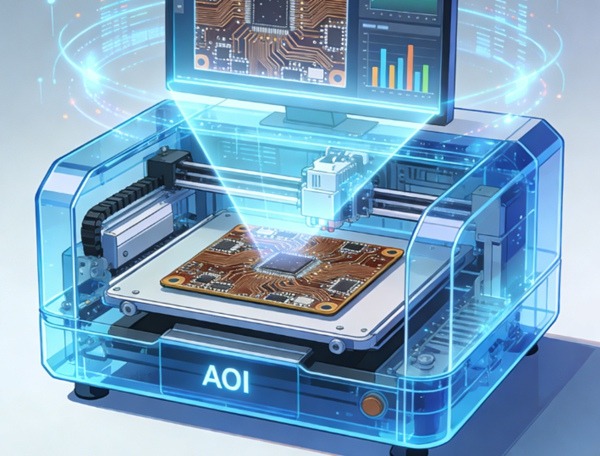
Wie Hersteller die Inspektion in der Praxis anwenden
In realen Produktionsumgebungen sind die Inspektionsstrategien darauf zugeschnitten:
- Gestaltungsrisiko
- Volkswirtschaft
- Anforderungen der Kunden
Bei TOPFAST werden die Inspektions- und Testmethoden nach folgenden Kriterien ausgewählt Risikoniveau und Anwendungsbedarfdie sowohl Effizienz als auch Zuverlässigkeit gewährleisten.
Schlussfolgerung
Die Inspektion und Prüfung von Leiterplatten ist eine wichtige Sicherheitsmaßnahme, die eine Brücke zwischen den Herstellungsprozessen und der tatsächlichen Leistung schlägt.
Durch die Kombination von AOI, Röntgeninspektion, elektrischer Prüfung und geeigneten Prüfstrategien können Hersteller das Fehlerrisiko erheblich reduzieren und die Qualität der Leiterplatten insgesamt verbessern.
Diese Hub-Seite dient als zentrale Referenz für die PCB Inspektion und Prüfung Themencluster.
PCB Inspektion & Prüfung FAQ
A: Nein. Die Inspektion kann die elektrische Verbindung nicht überprüfen.
A: Nein. Sie erkennen verschiedene Arten von Fehlern.
A: Nein. Röntgenstrahlen werden normalerweise für komplexe Designs verwendet.
A: Nein. Zuverlässigkeitsprüfungen sind für die Langzeitvalidierung erforderlich.
A: Nur für Anwendungen mit geringem Risiko und geringer Komplexität.