A inspeção e os testes de PCB são passos essenciais para garantir que uma placa de circuito impresso cumpre os requisitos de qualidade e funcionais.
Enquanto a inspeção incide sobre deteção de defeitos, os testes verificam integridade e desempenho eléctricos.
Em conjunto, formam o portão de qualidade final antes da montagem ou expedição de PCB.
Esta página central fornece uma visão geral dos métodos de inspeção e ensaio de PCB mais importantes e ligações para artigos técnicos aprofundados sobre cada um deles.
Base de qualidade:
Explicação da qualidade e fiabilidade dos PCB
Índice
Porque é que a inspeção e os testes de PCB são importantes
Mesmo com processos de fabrico robustos, podem ocorrer defeitos.
A inspeção e os ensaios ajudam a:
- Detetar precocemente erros de fabrico
- Evitar que as placas defeituosas cheguem à montagem
- Fornecer feedback para melhorar o processo
- Reduzir a fiabilidade e o risco de falhas no terreno
Não substituem uma boa conceção ou o controlo do processo, mas reduzem significativamente o risco.
Inspeção ótica automatizada (AOI)
A AOI é o método de inspeção mais utilizado no fabrico de PCB.
O que a AOI faz bem
- Detecta defeitos ao nível da superfície
- Identifica visualmente aberturas e curtos-circuitos
- Melhora a velocidade e a consistência da inspeção
Limitações da AOI
- Não é possível detetar defeitos internos
- Não é possível verificar o desempenho elétrico
Mergulho profundo:
Inspeção AOI no fabrico de PCB
Inspeção por raios X
A inspeção por raios X permite a visibilidade das estruturas internas de um PCB.
O que a radiografia detecta
- Via e orifícios de revestimento
- Desalinhamento da camada interna
- Delaminação e vazios de resina
Limitações dos raios X
- Custo mais elevado
- Velocidade de inspeção mais lenta
- Normalmente baseado em amostragem
Dados técnicos:
Inspeção por raios X no fabrico de PCB
Ensaios eléctricos de PCB
O teste elétrico é o único método que verifica diretamente a conetividade.
O que os testes eléctricos confirmam
- Continuidade de todas as redes
- Ausência de calções
- Ligações de rede corretas
O que não pode fazer
- Prever a fiabilidade a longo prazo
- Detetar vazios internos ou espessura do revestimento
Resumo do método:
Explicação dos testes eléctricos de PCB
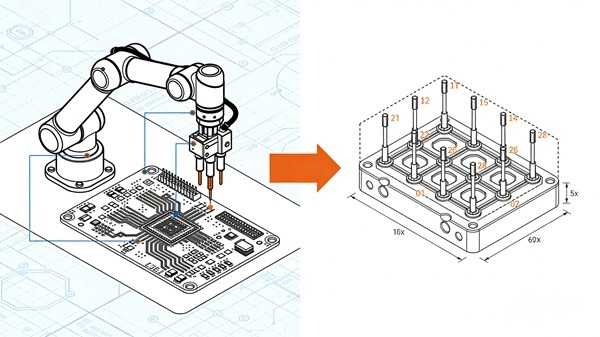
Sonda voadora vs. teste baseado em dispositivos
Quando são necessários ensaios eléctricos, a escolha do método correto torna-se crítica.
Principais factores de decisão
- Volume de produção
- Estabilidade do projeto
- Estrutura de custos
- Tempo de colocação no mercado
Guia de comparação:
Sonda Voadora vs Teste Elétrico de Fixação
Inspeção vs. Teste - Compreender a diferença
| Aspeto | Inspeção | Ensaios |
|---|---|---|
| Foco | Visual e estrutural | Função eléctrica |
| Métodos típicos | AOI, raios X | Teste E |
| Detecta aberturas/curtos-circuitos | Limitada | Sim |
| Detecta defeitos internos | Apenas raios X | Não |
| Previsão da fiabilidade | Não | Não |
Ambas são necessárias, mas tratam de riscos diferentes.
Como a inspeção e os testes funcionam em conjunto
Um sistema completo de qualidade de PCB segue normalmente esta sequência:
- AOI para deteção precoce de defeitos de superfície
- Inspeção por raios X das estruturas internas (quando necessário)
- Ensaios eléctricos para verificação da conetividade
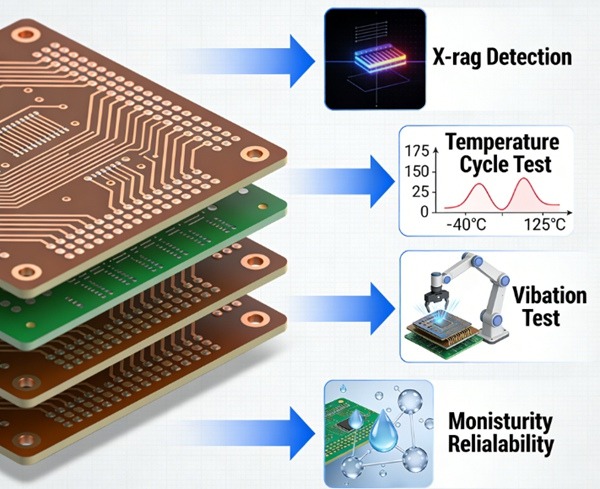
- Ensaios de fiabilidade para um desempenho a longo prazo (seletivo)
Ligação de fiabilidade:
Explicação dos testes de fiabilidade de PCB
Considerações sobre os custos da inspeção e dos ensaios
As inspecções e os ensaios implicam custos acrescidos, mas a sua omissão aumenta o risco.
O custo é influenciado por:
- Complexidade do conselho de administração
- Volume
- Profundidade de inspeção
- Seleção do método de ensaio
Equilíbrio de custos:
Custo de fabrico de PCB versus compromissos de qualidade
Quando é necessária uma inspeção reforçada
A inspeção e os ensaios melhorados são especialmente importantes para:
- PCBs de alta densidade ou multicamadas
- Novos desenhos ou materiais
- Aplicações de alta tensão ou alta temperatura
- Produtos de longa vida útil
Nestes casos, a inspeção normalizada é insuficiente.
Nestes casos, a inspeção normalizada é insuficiente.
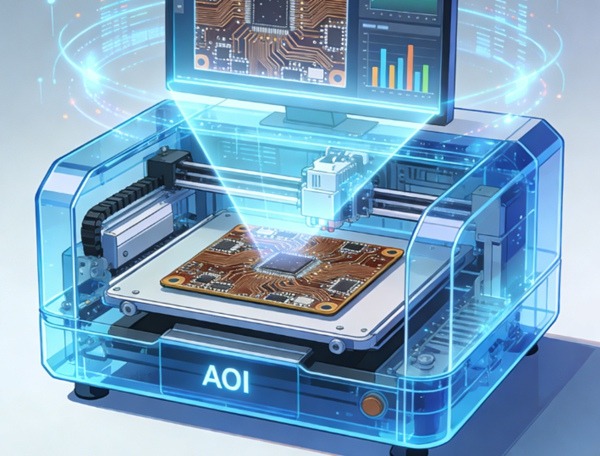
Como os fabricantes aplicam a inspeção na prática
Em ambientes de produção reais, as estratégias de inspeção são adaptadas para:
- Risco de conceção
- Economia de volume
- Requisitos do cliente
Na TOPFAST, os métodos de inspeção e ensaio são selecionados com base em nível de risco e necessidades da aplicaçãogarantindo eficiência e fiabilidade.
Conclusão
A inspeção e os testes de PCB são salvaguardas essenciais que fazem a ponte entre os processos de fabrico e o desempenho no mundo real.
Combinando a AOI, a inspeção por raios X, os testes eléctricos e as estratégias de teste adequadas, os fabricantes podem reduzir significativamente o risco de defeitos e melhorar a qualidade geral das PCB.
Esta página central serve como referência central para a Inspeção e teste de PCB grupo de tópicos.
Inspeção e teste de PCB FAQ
R: Não. A inspeção não pode verificar a conetividade eléctrica.
R: Não. Detectam diferentes tipos de defeitos.
R: Não. Os raios X são normalmente utilizados para desenhos complexos.
R: Não. Os ensaios de fiabilidade são necessários para a validação a longo prazo.
R: Apenas para aplicações de baixo risco e baixa complexidade.