Drilling is one of the most critical steps in PCB manufacturing. Every via, component hole, and interlayer connection depends on drilling accuracy and reliability.
As PCB designs become denser, many engineers face the same question:
Should I use mechanical drilling or laser drilling?
The answer depends on hole size, layer structure, cost targets, and application requirements. This article explains how both drilling methods work, their differences, and how manufacturers like TOPFAST decide which process is appropriate.
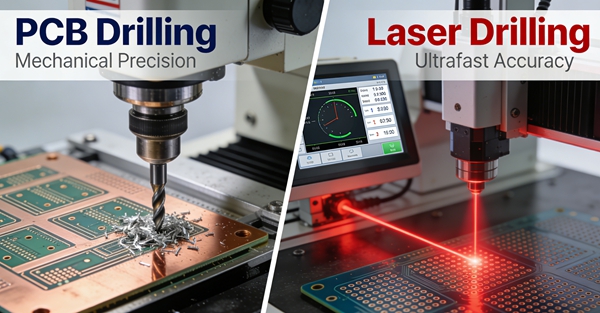
Table of Contents
What Is PCB Mechanical Drilling?
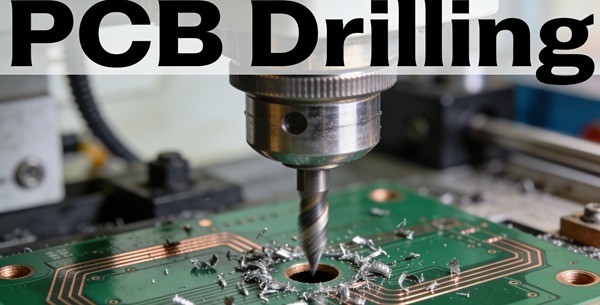
Mechanical drilling uses rotating drill bits to create holes through the PCB stack.
How Mechanical Drilling Works
- CNC-controlled drilling machines
- Tungsten carbide drill bits
- Suitable for through-holes and larger vias
Mechanical drilling is the most common and cost-effective drilling method in PCB manufacturing.
Typical Capabilities of Mechanical Drilling
- Minimum hole size: ~0.15–0.20 mm (depending on thickness)
- Suitable for through-hole vias
- Stable and scalable for mass production
At TOPFAST, mechanical drilling is used for the majority of standard rigid PCB designs.
What Is PCB Laser Drilling?
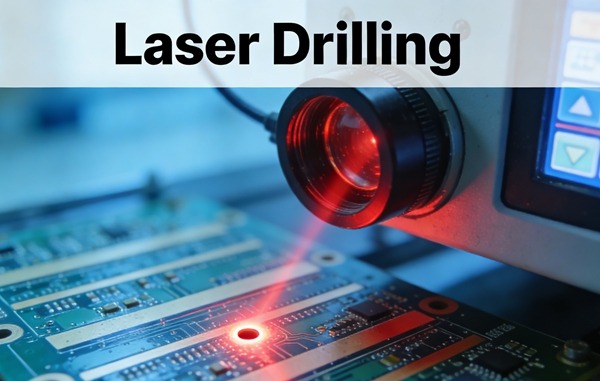
Laser drilling uses a focused laser beam to ablate material and create very small holes.
How Laser Drilling Works
- High-energy laser pulses
- No physical contact
- Extremely precise material removal
Laser drilling is primarily used for microvias in HDI PCBs.
Typical Capabilities of Laser Drilling
- Hole size: as small as 0.05–0.10 mm
- Used for blind vias
- Limited drilling depth (usually one layer at a time)
Laser drilling enables high-density interconnections that mechanical drilling cannot achieve.
Key Differences Between Mechanical and Laser Drilling
Hole Size Capability
- Mechanical drilling: limited by drill bit strength
- Laser drilling: enables ultra-small microvias
Via Type Support
| Via Type | Mechanical | Laser |
|---|---|---|
| Through-hole via | ✅ | ❌ |
| Blind via | ⚠️ (limited) | ✅ |
| Buried via | ⚠️ | ⚠️ |
| Microvia | ❌ | ✅ |
Aspect Ratio Limitations
- Mechanical drilling: limited by hole diameter vs board thickness
- Laser drilling: shallow depth, low aspect ratio
Aspect ratio limits are a major factor in drilling method selection.
Cost Comparison
- Mechanical drilling: lower cost
- Laser drilling: higher cost due to equipment, processing time, and yield control
Laser drilling should be used only when design requirements justify the cost.
When Mechanical Drilling Is the Best Choice
Mechanical drilling is ideal when:
- Hole sizes are ≥ 0.20 mm
- Through-hole vias are acceptable
- Cost efficiency is critical
- Design does not require HDI routing
For most industrial, consumer, and power electronics, mechanical drilling remains the optimal solution.
When Laser Drilling Is Necessary
Laser drilling becomes necessary when:
- Microvias are required
- HDI PCB architecture is used
- Routing density is extremely high
- Board size or layer count must be minimized
Common applications include:
- Smartphones
- Wearables
- High-speed communication devices
Manufacturing Challenges of Laser Drilling
From a manufacturer’s perspective, laser drilling introduces:
- Higher process complexity
- Tighter material compatibility requirements
- Increased inspection effort
- Lower yield sensitivity
At TOPFAST, laser drilling is carefully evaluated to ensure it delivers real functional value, not just design novelty.
Design Tips to Optimize Drilling Cost
Designers can reduce drilling cost by:
- Avoiding unnecessary microvias
- Standardizing hole sizes
- Reducing total drill count
- Using through-holes where possible
- Aligning via structure with manufacturing capability
Early DFM review often reveals opportunities to replace laser-drilled vias with mechanical alternatives.
How Drilling Choice Affects PCB Reliability
- Poor drilling quality can cause via cracking
- Inconsistent hole walls affect plating reliability
- High aspect ratio vias increase thermal stress risk
Mechanical drilling generally provides stronger via reliability for thicker boards, while laser drilling supports density but requires careful process control.
Manufacturer’s Perspective: How TOPFAST Selects Drilling Methods
At TOPFAST, drilling method selection is based on:
- Electrical requirements
- Structural reliability
- Yield stability
- Total manufacturing cost
Rather than defaulting to advanced processes, TOPFAST focuses on manufacturing-efficient solutions that meet performance needs without unnecessary cost.
Conclusion
Mechanical drilling and laser drilling each play essential roles in modern PCB manufacturing.
- Mechanical drilling offers cost efficiency, scalability, and reliability
- Laser drilling enables high-density designs and microvias
Understanding the strengths and limitations of each method allows designers to make informed decisions that balance performance, reliability, and cost.
With manufacturing-driven guidance, TOPFAST helps customers choose the right drilling technology for each PCB application.
Related Reading
PCB Manufacturing Process Explained Step by Step
Inner Layer Fabrication Explained: The Foundation of PCB Manufacturing
Mechanical Drilling vs Laser Drilling FAQ
A: Mechanical drilling uses physical drill bits, while laser drilling uses focused laser energy to create microvias.
A: No. Laser drilling is only necessary for very small vias and HDI designs and is more expensive.
A: Typically around 0.15–0.20 mm, depending on board thickness and aspect ratio.
A: Laser drilling is used when microvias or very high routing density are required.
A: Laser drilling increases manufacturing cost due to specialized equipment and lower yield tolerance.