TOPFAST PCB One-Stop Solutions

Blog

Short circuit

What is a Short Circuit?

A short circuit is an electrical fault where current bypasses the normal path and flows directly, potentially causing equipment damage and fires. This article details the types, causes, hazards, and preventive measures for short circuits, providing practical safety recommendations and emergency response methods.
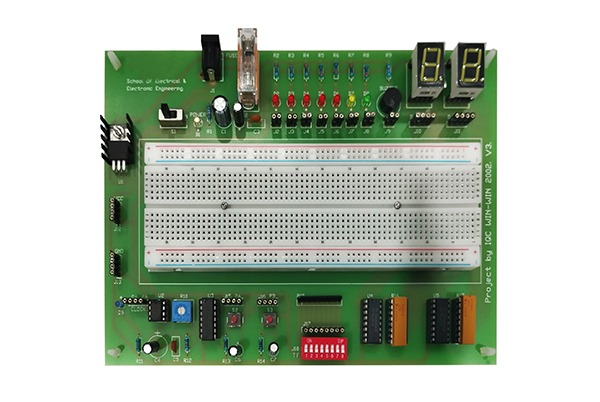
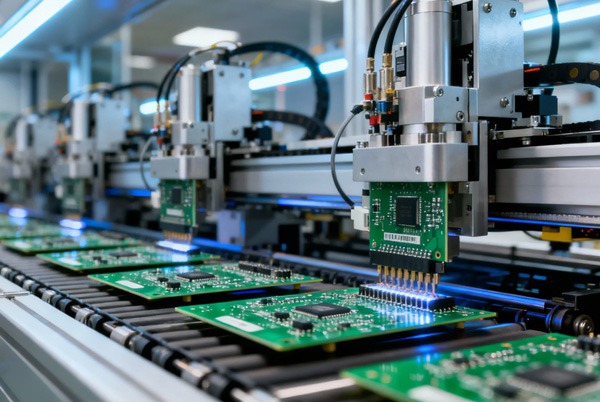
pcb

What is an Open Circuits?

An open circuit is a state in an electrical circuit where current cannot flow due to a broken conductor or extremely high impedance. This article analyzes the definition, characteristics, and detection methods of open circuits, distinguishes them from short circuits and closed circuits, and explores practical application scenarios and safety precautions, providing comprehensive reference for electronics enthusiasts and professionals.

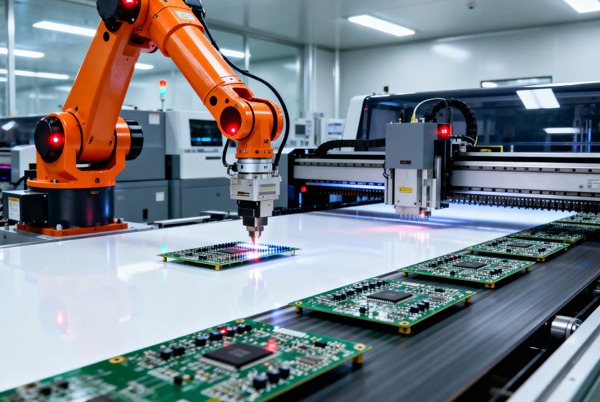
PCB Automated Assembly

Comparison of Manual and Automated PCB Assembly

Comprehensively compare the technical characteristics, application scenarios, and economic benefits of manual assembly versus automated assembly. Conduct a detailed analysis of differences between the two assembly methods in terms of placement accuracy, soldering quality, environmental control, and cost composition. Provide decision-making guidelines tailored to varying production volumes and complexity levels, offering practical reference for electronics manufacturers to optimize production processes and enhance product quality.

High-Speed PCB Design

Key PCB Design Strategies and Modern Manufacturing Techniques

Delve into core strategies such as layered design, component placement, routing rules, and power management. Explore advanced techniques including high-speed signal processing, thermal optimization, and design for manufacturability. Through practical case studies and insights, this guide systematically enhances readers’ PCB design capabilities to achieve efficient and stable electronic products.

Thin-film ceramic PCB

Thin-Film Ceramic Circuit Boards

Thin-film ceramic circuit boards represent high-end products in the electronic packaging field. Utilizing semiconductor microfabrication techniques such as sputtering, photolithography, and electroplating, they create precision circuits with line widths down to the micrometer level on ceramic substrates. Compared to thick-film technology, they offer higher wiring density, superior high-frequency performance, and enhanced reliability. These boards are widely used in demanding applications such as 5G communications, microwave components, and high-power lasers, where precision and thermal management are critical.

PCB board material

PCB Materials and Panelization Basics

Fundamentals of PCB Materials and Cutting Processes Detailed introduction to material properties of FR-4, high-frequency boards, metal core boards, etc., covering key parameters such as Tg, Dk, Df. Provides a complete PCB design workflow and practical techniques to optimize circuit board performance and reliability.

1 2 13