What is a PCB Design? The Essential Guide for Beginners and Engineers
Master PCB design with an understanding of components, layout best practices, signal integrity, thermal management and industry standard test methods.
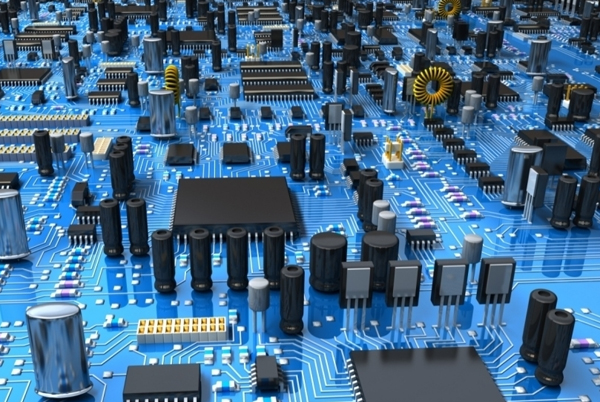
Master PCB design with an understanding of components, layout best practices, signal integrity, thermal management and industry standard test methods.
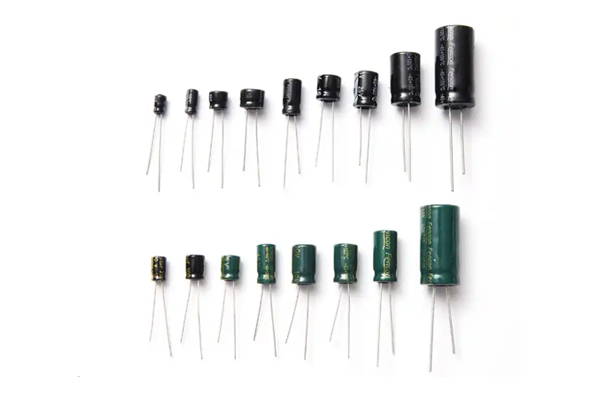
This article systematically explains the critical roles of capacitors in circuits, including signal coupling, power filtering, energy storage, and parasitic capacitance management. It provides detailed professional testing methodologies such as digital/analog multimeter tests, capacitance mode measurement, insulation resistance checks, and voltage/current analysis to accurately assess capacitor performance and identify faults.
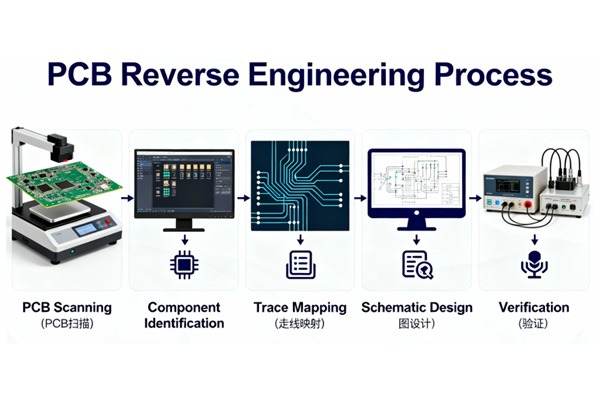
PCB reverse engineering is a critical technology for extracting design information by analyzing existing circuit boards. It holds significant value in electronic product maintenance, competitive analysis, technical learning, and innovative R&D. When conducted within legal compliance, it enhances product quality and reliability.
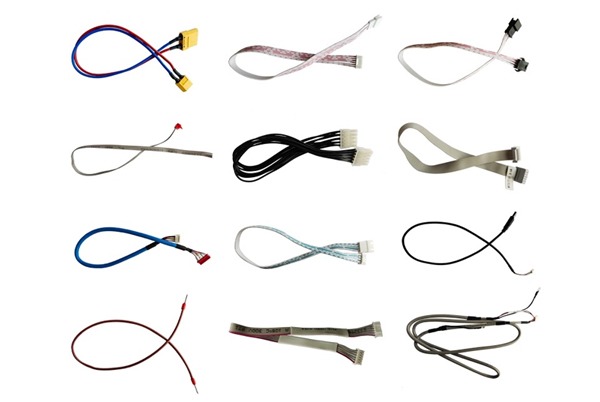
The fundamental difference between wire harnesses and cable assemblies: Wire harnesses represent a cost-optimized wire organization solution suitable for conventional environments; cable assemblies provide high-strength protection specifically designed for extreme environments. This includes detailed technical comparisons, manufacturing process analysis, application scenario analysis, and future development trends.
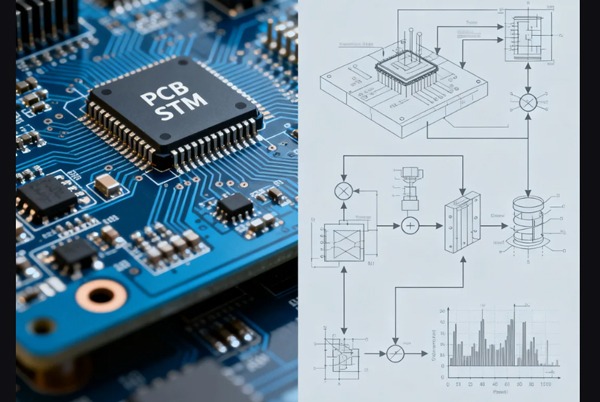
Surface Mount Technology (SMT) is a core process in modern electronics manufacturing. By precisely mounting miniature surface-mount devices (SMDs) onto the surface of printed circuit boards (PCBs), it enables high-density, high-performance circuit assembly. This article also delves into SMT’s technical advantages in miniaturization, electrical performance, and production efficiency, along with its quality control systems and future development trends, providing a comprehensive reference for technological innovation in the electronics manufacturing industry.
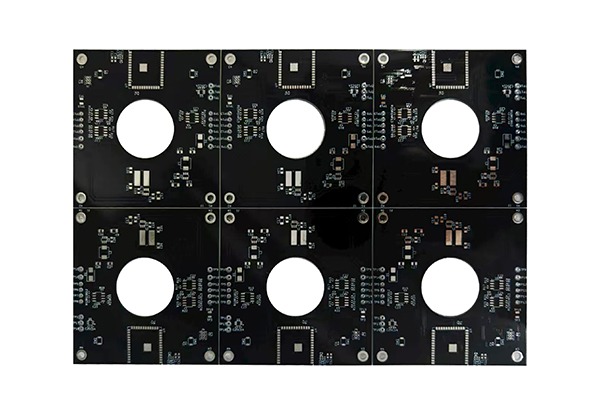
High-frequency printed circuit boards (PCBs) are specialized circuit boards designed to handle high-frequency signals exceeding 300MHz. They play a critical role in high-tech fields such as 5G communications, autonomous driving, satellite communications, and radar systems. With extensive application areas, they provide comprehensive technical references for electronic engineers and industry professionals.