La perforación es uno de los pasos más importantes en la producción de petróleo. Fabricación de PCB. Cada vía, orificio de componente y conexión entre capas depende de la precisión y fiabilidad del taladrado.
A medida que los diseños de placas de circuito impreso se hacen más densos, muchos ingenieros se plantean la misma pregunta:
¿Debo utilizar el taladrado mecánico o el taladrado láser?
La respuesta depende de tamaño del orificio, estructura de capas, objetivos de coste y requisitos de aplicación. Este artículo explica cómo funcionan ambos métodos de perforación, sus diferencias y cómo fabricantes como TOPFAST decidir qué proceso es el adecuado.
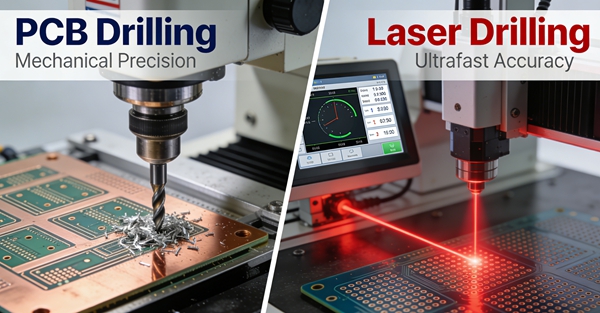
Tabla de contenidos
¿Qué es el taladrado mecánico de PCB?
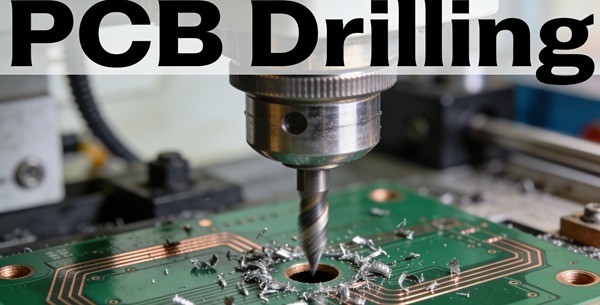
Usos de la perforación mecánica brocas giratorias para crear orificios a través de la pila de placas de circuito impreso.
Cómo funciona la perforación mecánica
- Taladradoras controladas por CNC
- Brocas de metal duro
- Adecuado para orificios pasantes y vías más grandes
La perforación mecánica es el método de perforación más común y rentable en la fabricación de PCB.
Capacidades típicas de la perforación mecánica
- Tamaño mínimo del orificio: ~0,15-0,20 mm (dependiendo del grosor)
- Adecuado para vías pasantes
- Estable y escalable para la producción en masa
En TOPFAST, el taladrado mecánico se utiliza para la mayoría de los diseños de placas de circuito impreso rígidas estándar.
¿Qué es el taladrado láser de PCB?
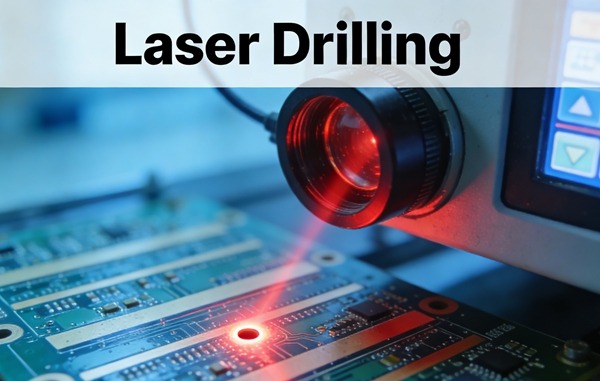
El taladrado láser utiliza un rayo láser enfocado para ablacionar material y crear agujeros muy pequeños.
Cómo funciona el taladrado láser
- Pulsos láser de alta energía
- Sin contacto físico
- Extracción de material extremadamente precisa
El taladrado láser se utiliza principalmente para microvías en PCB de IDH.
Capacidades típicas del taladrado láser
- Tamaño del orificio: tan pequeño como 0,05-0,10 mm
- Utilizado para vías ciegas
- Profundidad de perforación limitada (normalmente una capa cada vez)
El taladrado láser permite interconexiones de alta densidad que el taladrado mecánico no puede lograr.
Diferencias clave entre el taladrado mecánico y el taladrado láser
Capacidad de tamaño de orificio
- Perforación mecánica: limitada por la resistencia de la broca
- Perforación láser: permite microvías ultrapequeñas
Vía Tipo Soporte
| Vía Tipo | Mecánica | Láser |
|---|---|---|
| Vía pasante | ✅ | ❌ |
| A ciegas a través de | ⚠️ (limitado) | ✅ |
| Enterrado a través de | ⚠️ | ⚠️ |
| Microvía | ❌ | ✅ |
Limitaciones de la relación de aspecto
- Perforación mecánica: limitada por el diámetro del orificio y el grosor del tablero
- Perforación láser: poca profundidad, baja relación de aspecto
Los límites de la relación de aspecto son un factor importante en la selección del método de perforación.
Comparación de costes
- Perforación mecánica: menor coste
- Taladrado láser: mayor coste debido al equipo, el tiempo de procesamiento y el control del rendimiento
Debe utilizarse el taladro láser sólo cuando los requisitos de diseño justifiquen el coste.
Cuando la perforación mecánica es la mejor opción
La perforación mecánica es ideal cuando:
- Los tamaños de los orificios son ≥ 0,20 mm
- Las vías pasantes son aceptables
- La rentabilidad es fundamental
- El diseño no requiere enrutamiento HDI
Para la mayor parte de la electrónica industrial, de consumo y de potencia, el taladrado mecánico sigue siendo la solución óptima.
Cuándo es necesario el taladrado láser
La perforación láser se hace necesaria cuando:
- Se necesitan microvías
- Se utiliza la arquitectura de PCB HDI
- La densidad de enrutamiento es extremadamente alta
- El tamaño de la placa o el número de capas debe reducirse al mínimo
Las aplicaciones más comunes son:
- Teléfonos inteligentes
- Wearables
- Dispositivos de comunicación de alta velocidad
Retos de fabricación del taladrado láser
Desde el punto de vista del fabricante, el taladrado láser introduce:
- Mayor complejidad del proceso
- Requisitos de compatibilidad de materiales más estrictos
- Mayor esfuerzo de inspección
- Menor sensibilidad al rendimiento
En TOPFAST, el taladrado láser se evalúa cuidadosamente para garantizar que ofrece valor funcional realno sólo una novedad de diseño.
Consejos de diseño para optimizar el coste de perforación
Los diseñadores pueden reducir los costes de perforación:
- Evitar microvías innecesarias
- Normalización del tamaño de los orificios
- Reducción del número total de taladros
- Utilizar orificios pasantes siempre que sea posible
- Alinear la estructura de las vías con la capacidad de fabricación
La revisión temprana de DFM a menudo revela oportunidades para sustituir las vías perforadas con láser por alternativas mecánicas.
Cómo afecta la elección del taladro a la fiabilidad de las placas de circuito impreso
- La mala calidad de la perforación puede provocar grietas en la vía
- La inconsistencia de las paredes de los orificios afecta a la fiabilidad del metalizado
- Las vías de alta relación de aspecto aumentan el riesgo de estrés térmico
La perforación mecánica suele proporcionar más fuerte gracias a la fiabilidad para tableros más gruesos, mientras que el taladrado láser favorece la densidad, pero requiere un cuidadoso control del proceso.
Perspectiva del fabricante: Cómo selecciona TOPFAST los métodos de perforación
En TOPFAST, la selección del método de perforación se basa en:
- Requisitos eléctricos
- Fiabilidad estructural
- Estabilidad del rendimiento
- Coste total de fabricación
En lugar de recurrir por defecto a procesos avanzados, TOPFAST se centra en soluciones eficientes de fabricación que satisfacen las necesidades de rendimiento sin costes innecesarios.
Conclusión
Tanto el taladrado mecánico como el taladrado láser desempeñan un papel esencial en la fabricación moderna de placas de circuito impreso.
- La perforación mecánica ofrece rentabilidad, escalabilidad y fiabilidad
- El taladrado láser permite diseños de alta densidad y microvías
Comprender los puntos fuertes y las limitaciones de cada método permite a los diseñadores tomar decisiones informadas que equilibren rendimiento, fiabilidad y coste.
Con orientación basada en la fabricación, TOPFAST ayuda a los clientes a elegir la tecnología de taladrado adecuada para cada aplicación de PCB.
Lecturas relacionadas
Explicación paso a paso del proceso de fabricación de PCB
Explicación de la fabricación de capas internas: La base de la fabricación de PCB
Preguntas frecuentes sobre taladrado mecánico y taladrado láser
R: El taladrado mecánico utiliza brocas físicas, mientras que el taladrado láser utiliza energía láser focalizada para crear microvías.
R: No. El taladrado láser sólo es necesario para vías muy pequeñas y diseños HDI, y es más caro.
R: Normalmente alrededor de 0,15-0,20 mm, dependiendo del grosor del cartón y de la relación de aspecto.
R: El taladrado láser se utiliza cuando se requieren microvías o una densidad de fresado muy elevada.
R: El taladrado láser aumenta el coste de fabricación debido al equipo especializado y a la menor tolerancia de rendimiento.