L'ispezione e il collaudo dei circuiti stampati sono fasi essenziali per garantire che un circuito stampato soddisfi i requisiti di qualità e funzionalità.
Mentre l'ispezione si concentra su rilevamento dei difetti, i test verificano integrità elettrica e prestazioni.
Insieme, formano il gate di qualità finale prima dell'assemblaggio o della spedizione del PCB.
Questa pagina hub fornisce una panoramica dei più importanti metodi di ispezione e collaudo dei PCB e link ad articoli tecnici approfonditi per ciascuno di essi.
Fondamento della qualità:
Spiegazione della qualità e dell'affidabilità dei PCB
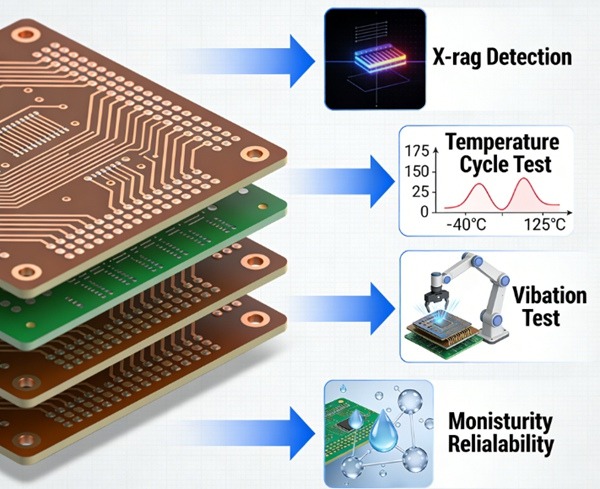
Indice per materie
Perché l'ispezione e il test dei PCB sono importanti
Anche in presenza di processi produttivi robusti, i difetti possono comunque verificarsi.
Le ispezioni e i test aiutano a:
- Rilevare tempestivamente gli errori di produzione
- Impedire che le schede difettose raggiungano l'assemblaggio
- Fornire feedback per il miglioramento dei processi
- Ridurre l'affidabilità e il rischio di guasti sul campo
Non sostituiscono una buona progettazione o il controllo del processo, ma riducono significativamente il rischio.
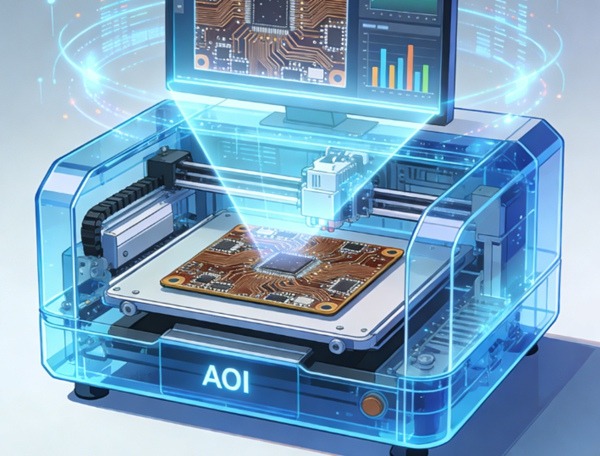
Ispezione ottica automatizzata (AOI)
L'AOI è il metodo di ispezione più comunemente utilizzato nella produzione di PCB.
Cosa fa bene AOI
- Rileva i difetti a livello superficiale
- Identifica visivamente le aperture e i cortocircuiti
- Migliora la velocità e la coerenza dell'ispezione
Limitazioni dell'AOI
- Non è in grado di rilevare i difetti interni
- Non è possibile verificare le prestazioni elettriche
Immersione profonda:
Ispezione AOI nella produzione di PCB
Ispezione a raggi X
L'ispezione a raggi X consente di vedere le strutture interne di un PCB.
Cosa rileva la radiografia
- Vuoti di placcatura di vie e fori
- Disallineamento dello strato interno
- Delaminazione e vuoti di resina
Limitazioni dei raggi X
- Costo più elevato
- Velocità di ispezione ridotta
- Tipicamente basato sul campionamento
Dettagli tecnici:
Ispezione a raggi X nella produzione di PCB
Test elettrici sui PCB
Il test elettrico è l'unico metodo che verifica direttamente la connettività.
Cosa confermano i test elettrici
- Continuità di tutte le reti
- Assenza di pantaloncini
- Collegamenti di rete corretti
Cosa non può fare
- Prevedere l'affidabilità a lungo termine
- Rilevare vuoti interni o spessore della placcatura
Panoramica del metodo:
Spiegazioni sui test elettrici dei PCB
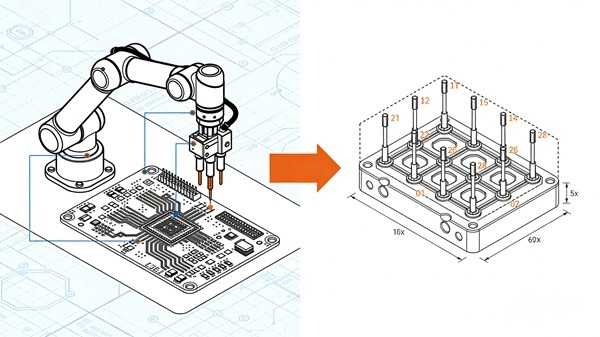
Sonda volante contro test basati su dispositivi
Quando è necessario eseguire un test elettrico, la scelta del metodo giusto diventa fondamentale.
Fattori decisionali chiave
- Volume di produzione
- Stabilità del progetto
- Struttura dei costi
- Tempo di commercializzazione
Guida al confronto:
Prove elettriche con sonda volante o con apparecchiatura
Ispezione e test: capire la differenza
| Aspetto | Ispezione | prove |
|---|---|---|
| fuoco | Visivo e strutturale | Funzione elettrica |
| Metodi tipici | AOI, raggi X | E-Test |
| Rileva aperture/cortocircuiti | Limitato | Sì |
| Rileva i difetti interni | Solo raggi X | No |
| Previsione di affidabilità | No | No |
Entrambi sono necessari, ma affrontano rischi diversi.
Come l'ispezione e i test lavorano insieme
Un sistema di qualità completo per PCB segue di solito questa sequenza:
- AOI per il rilevamento precoce dei difetti superficiali
- Ispezione a raggi X delle strutture interne (se necessario)
- Test elettrici per la verifica della connettività
- Test di affidabilità per prestazioni a lungo termine (selettivo)
Collegamento di affidabilità:
Spiegazioni sui test di affidabilità dei PCB
Considerazioni sui costi delle ispezioni e dei test
L'ispezione e il collaudo comportano un costo aggiuntivo, ma saltarli aumenta il rischio.
Il costo è influenzato da:
- Complessità del consiglio
- Volume
- Profondità di ispezione
- Selezione del metodo di prova
Bilancio dei costi:
Costi di produzione dei PCB e compromessi sulla qualità
Quando è necessaria un'ispezione approfondita
Ispezioni e test avanzati sono particolarmente importanti per:
- PCB ad alta densità o multistrato
- Nuovi design o materiali
- Applicazioni ad alta tensione o ad alta temperatura
- Prodotti di lunga durata
In questi casi, la sola ispezione standard è insufficiente.
In questi casi, la sola ispezione standard è insufficiente.
Come i produttori applicano l'ispezione nella pratica
Negli ambienti di produzione reali, le strategie di ispezione sono personalizzate per:
- Rischio di progettazione
- Economia del volume
- Requisiti del cliente
In TOPFAST, i metodi di ispezione e di prova sono selezionati in base a livello di rischio ed esigenze applicativegarantendo efficienza e affidabilità.
conclusioni
L'ispezione e il collaudo dei PCB sono salvaguardie essenziali che collegano i processi di produzione alle prestazioni reali.
Combinando AOI, ispezione a raggi X, test elettrici e strategie di test appropriate, i produttori possono ridurre significativamente il rischio di difetti e migliorare la qualità complessiva dei PCB.
Questa pagina hub funge da riferimento centrale per la Ispezione e test dei PCB cluster di argomenti.
Ispezione e test dei PCB FAQ
R: No. L'ispezione non può verificare la connettività elettrica.
R: No. Rilevano diversi tipi di difetti.
R: No. I raggi X vengono utilizzati in genere per progetti complessi.
R: No. I test di affidabilità sono necessari per la convalida a lungo termine.
R: Solo per applicazioni a basso rischio e bassa complessità.