Det är riskabelt att välja en kretskortleverantör enbart utifrån pris eller information på webbplatsen.
En fabriksrevision hjälper inköpare att bedöma om en kretskortstillverkare verkligen kan erbjuda:
- stabil produktion
- kvalitetsmässig jämnhet
- ingenjörssamarbete
- långsiktig tillförlitlighet
För många OEM-tillverkare och industrikunder är revisioner av kretskortstillverkare en viktig del av leverantörsutvärderingen.
En ordentlig revision kan minska inköpsriskerna och förbättra produktionsstabiliteten.
Om du utvärderar en leverantörs kapacitet: Vad kännetecknar en högkvalitativ PCB-fabrik

Innehållsförteckning
Varför det är viktigt att genomföra revisioner av kretskortstillverkare
Tillverkningen av kretskort innefattar många komplexa produktionsprocesser.
Även om en leverantör hävdar att man har god kapacitet kan de faktiska förhållandena i fabriken variera avsevärt.
Vanliga revisionsmål
- inkluderar en kontroll av tillverkningskapaciteten
- granskning av kvalitetssystem
- utvärdera processens enhetlighet
- identifiera operativa risker
Fabriksrevisioner hjälper inköpare att fatta bättre underbyggda beslut om inköp.
Vad bör utvärderas vid en revision av en kretskortsfabrik?
Tillverkningskapacitet
Det första steget är att kontrollera om fabriken kan uppfylla era tekniska krav.
Viktiga områden att granska
- kapacitet för antal lager
- HDI-support
- funktion för kontrollerad impedans
- tung kopparindustri
- Kapacitet för SMT-montering
Referens för kapacitet: PCB-fabrikens kapacitet förklarad
Processstyrningssystem
En stabil tillverkning är beroende av processkontroll.
Viktiga revisionsområden
- processdokumentation
- parameterövervakning
- underhåll av utrustning
- kemikaliehantering
Bristfällig processkontroll leder ofta till ojämn kvalitet.
Kvalitetskontrollsystem
Kontrollkapaciteten är ett centralt granskningsområde.
Vanliga system att granska
- AOI-inspektion
- elektrisk provning
- Röntgeninspektion
- SPC-övervakning
Kvalitetsguide: Hur PCB-fabriker kontrollerar kvaliteten
Teknisk kompetens
Teknisk support förbises ofta vid leverantörsutvärderingen.
Viktiga teknikområden
- DFM-granskning
- Stackup-optimering
- felsökning vid tillverkning
- teknisk kommunikation
Kompetenta ingenjörsteam förbättrar tillverkningsbarheten och minskar produktionsriskerna.
Produktionsmiljö
Fabrikens organisation påverkar tillverkningens jämnhet.
Områden att beakta
- renlighet
- arbetsflödesorganisation
- materialhantering
- ESD-kontroll
Välskötta fabriker har oftast en bättre processstabilitet.
Materialspårbarhet
Spårbarhet är avgörande för kvalitetshanteringen.
Kontrollera om fabriken spårar
- råvaror
- produktionssatser
- inspektionsprotokoll
- processhistorik
Spårbarhet förbättrar analysen av problem och möjligheten att vidta korrigerande åtgärder.
Certifieringar och efterlevnad
Certifieringar bidrar till att verifiera ledningssystem.
Vanliga certifieringar
- ISO 9001
- IATF 16949
- UL-certifiering
Certifieringsguide: PCB-certifieringar förklarade
Konsekvens i produktionen
En fabrik bör uppvisa stabila resultat på lång sikt.
Viktiga indikatorer
- avkastningsstabilitet
- trender i felfrekvensen
- hantering av kundreturer
Konsekvens är viktigare än kvaliteten på enstaka prover.
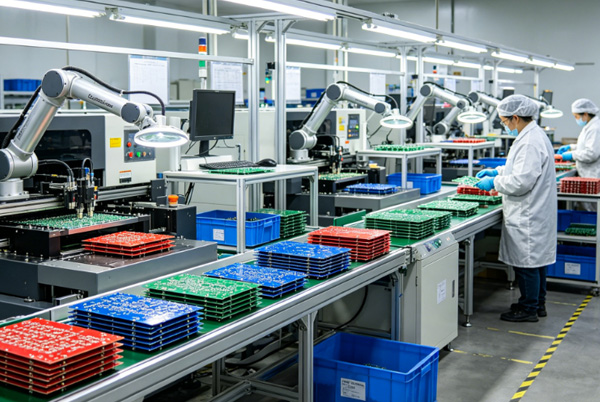
Vanliga problem som upptäcks vid revisioner av kretskortstillverkare
Bristfällig processdokumentation
Kan leda till ojämna tillverkningsresultat.
Bristfällig kommunikation inom teknikområdet
Kan öka projektrisken.
Bristfälliga kontrollsystem
Dolda fel kanske inte upptäcks på ett effektivt sätt.
Bristfällig hantering av spårbarheten
Det försvårar analysen av frågan.
Överskattad tillverkningskapacitet
Vissa fabriker marknadsför kapacitet som de inte kan upprätthålla på ett konsekvent sätt.
Hur man genomför en fabriksrevision av kretskort
- Steg 1 - Definiera projektkrav
Förtydliga:
. tekniska krav
. förväntningar på kvalitet
. produktionsvolym - Steg 2 - Förbered en checklista för revisionen
Fokusera på:
. processtyrning
. inspektionssystem
. teknisk kapacitet
. certifieringar - Steg 3 - Granska fabriksverksamheten på plats eller på distans
Observera faktiska arbetsflöden och produktionshantering.
- Steg 4 - Ställ tekniska frågor
Utvärdera teknisk kunskap och kommunikationskvalitet.
- Steg 5 - Begär produktionsregister
Recension:
. inspektionsrapporter
. avkastningsdata
. spårbarhetsregister - Steg 6 - Börja med pilotproduktion
Pilotorder hjälper till att validera verklig tillverkningsprestanda.
Varför fabriksrevisioner är extra viktiga vid komplexa projekt
Avancerade kretskortsprojekt innefattar ofta:
- HDI-strukturer
- kontrollerad impedans
- flerskiktsstackuper
- höga krav på tillförlitlighet
Dessa projekt kräver bättre processhantering och tekniskt stöd.
I takt med att kretskortens komplexitet ökar blir leverantörsutvärderingen allt viktigare.
Fjärrgranskningar av kretskortfabriker jämfört med granskningar på plats
Revisioner på plats
Ge direkt inblick i:
- utrustningens skick
- arbetsflödesorganisation
- produktionsmiljö
Fjärrrevisioner
Praktiskt när resmöjligheterna är begränsade.
Vanliga metoder
- videor från fabriksvisningar
- dokumentgranskning
- tekniska möten online
Båda metoderna kan underlätta leverantörsutvärderingen om de hanteras på rätt sätt.
Verkligt tillverkningsperspektiv
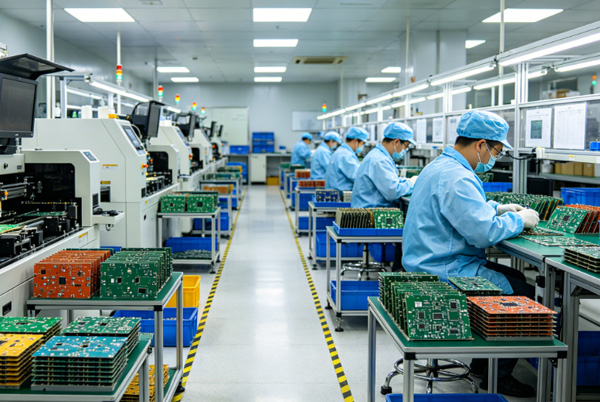
Revisioner av kretskortfabriker hjälper kunderna att bedöma den faktiska tillverkningskapaciteten, bortom marknadsföringsmaterial och offerter.
Hos tillverkare som t.ex. TOPFAST, stöds kundrevisioner genom processdokumentation, teknisk kommunikation, granskning av kvalitetssystem, spårbarhetsdokumentation och insyn i tillverkningsflödet, vilket hjälper kunderna att bättre förstå produktionskapaciteten och kvalitetsledningssystemen.
Slutsats
En revision av en kretskortfabrik är ett av de mest effektiva sätten att minska inköpsriskerna och utvärdera den långsiktiga tillverkningskapaciteten.
En tillförlitlig revision bör inriktas på:
- processtyrning
- tekniskt stöd
- Inspektionssystem
- spårbarhet
- enhetlig produktion
Att välja en kretskortleverantör med stabila tillverkningssystem och en transparent verksamhetsledning bidrar till att förbättra produktens tillförlitlighet och säkerställa en framgångsrik produktion på lång sikt.
När det gäller komplexa elektronikprojekt är leverantörsutvärderingen lika viktig som själva produktutformningen.
VANLIGA FRÅGOR
S: En fabriksrevision hjälper till att verifiera tillverkningskapacitet, kvalitetssystem och produktionsenhetlighet.
A: Granska processtyrning, inspektionssystem, teknisk kapacitet, spårbarhet och certifieringar.
S: Fjärrrevisioner kan stödja leverantörsutvärderingen, men revisioner på plats ger djupare insyn i verksamheten.
S: Ett starkt tekniskt stöd förbättrar tillverkningsbarheten och minskar produktionsrisken.
S: Vanliga certifieringar är ISO 9001, IATF 16949 och UL-certifiering.
A: Spårbarhet förbättrar problemanalysen och den långsiktiga kvalitetsstyrningen.