New Zealand has transformed into a global boutique tech hub. Driven by the success of Rocket Lab and a vibrant “Deep-Tech” ecosystem, the New Zealand electronics market is defined by High-Value, Low-Volume (HVLV) excellence.
For a Kiwi PCB project, “reliability” is not just a buzzword—it’s a mission-critical requirement. In 2026, the focus has shifted toward Aerospace-grade standards and Smart Primary Industries, requiring High-Reliability PCBs that can operate in the vacuum of space or the rugged conditions of a remote Canterbury farm.
Table of Contents
The New Zealand PCB Landscape: Strategic Tech Hubs
The NZ electronics industry is concentrated in several highly specialized clusters:
- Auckland (Space & SaaS-plus-Hardware): The heart of the “New Space” movement and IoT innovation. This region drives the demand for ultra-lightweight Rigid-Flex PCBs and complex HDI PCBs.
- Christchurch (Electronics & Wireless City): Known for its long history in radio and power electronics, requiring High-Frequency PCBs for telecommunications and mission-critical sensors.
- Hamilton & Waikato (AgTech & Bio-Tech): The center for agricultural innovation, demanding Metal Core PCBs (MCPCB) for high-intensity LED grow lights and ruggedized sensors for livestock monitoring.
- Wellington (Creative Tech & GovTech): A hub for specialized high-end audio and creative hardware engineering.
Technical Benchmarks for the NZ Market 2026
To meet the standards of a New Zealand “Lead Systems Architect,” PCB fabrication must master:
- Aerospace Precision (AS9100/IPC Class 3): With NZ becoming a primary launch site, boards must withstand extreme G-forces and thermal cycling. This necessitates full traceability and IPC-A-600 Class 3 compliance.
- Environmental Ruggedness: AgTech sensors used in NZ’s primary industries must resist moisture, chemicals, and UV exposure. Heavy Copper PCBs and advanced conformal coatings are essential.
- Low-Loss Signal Integrity: For Christchurch’s world-class wireless R&D, sourcing boards with low-Dk/low-Df materials like Rogers or Isola is a standard requirement for high-speed RF modules.
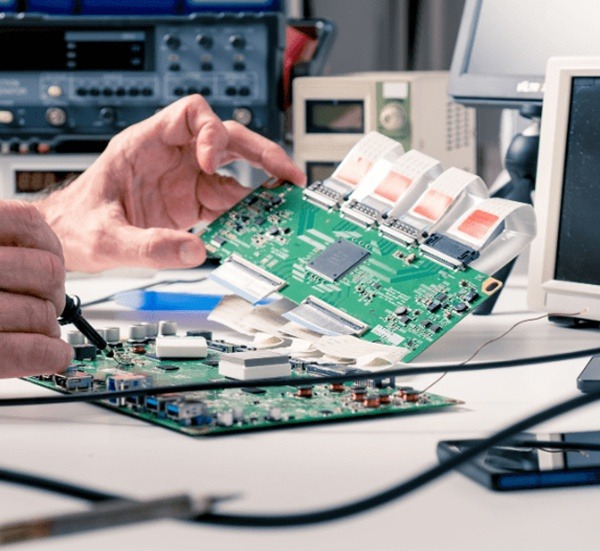
Why TopFast is the Strategic Partner for Kiwi Tech Firms
TopFast understands the “Kiwi Ingenuity” (the ability to solve complex problems with limited resources) and the need for global scale:
- Bridging the Prototyping Gap: While NZ has excellent local assembly (PCBA) houses, local fabrication often lacks the 32-layer Multilayer PCB capabilities TopFast provides for advanced space-tech.
- Agility for NPI: We support the fast-paced “Design-Test-Iterate” cycles of Auckland startups with Quick-turn Prototyping delivered in days, not weeks.
- Logistics to AKL/CHC/WLG: We provide express door-to-door shipping to Auckland and Christchurch in 3-5 business days, ensuring your “Just-in-Time” development stays on schedule.
New Zealand Market FAQ
A: Yes. We provide full material CoC (Certificate of Conformance), micro-section analysis, and thermal stress reports to meet the high-reliability requirements of space and defense sectors.
A: We provide all necessary commercial invoices. Our logistics partners are well-versed in NZ Customs (Customs Service) requirements, including the correct application of GST for business-to-business shipments.
A: Every order includes a Free DFM (Design for Manufacturing) Report within 24 hours. Given the close time zones, we offer efficient communication to resolve design queries during your business hours.
Next Step for Your Innovation in New Zealand
In a country that is redefining what’s possible in space and sustainable tech, your hardware must be a benchmark of precision.
Request an Instant Quote for Delivery to New Zealand Today — Partner with TopFast to take your Kiwi design from a local prototype to a global industrial standard.