When sourcing PCBs, you may come across two types of partners: PCB factories and PCB suppliers.
At first glance, they may appear similar—they both provide circuit boards. However, their roles in the manufacturing process are fundamentally different.
Understanding this difference is important because it directly impacts:
- product quality
- cost structure
- delivery reliability
- engineering support
If you are new to PCB sourcing, start here: What Does a PCB Factory Do?
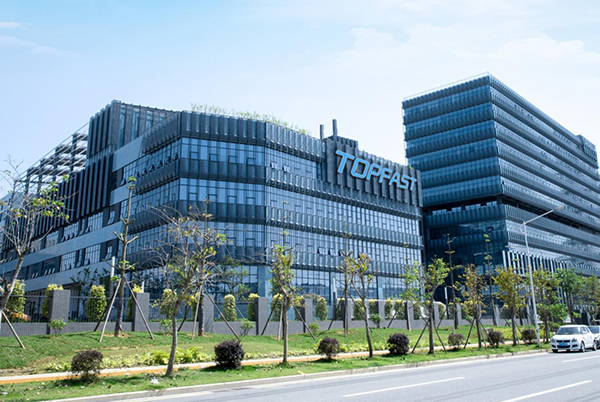
Table of Contents
What Is a PCB Factory?
A PCB factory is a manufacturer that produces circuit boards in-house.
Key characteristics
- owns production equipment
- controls manufacturing processes
- performs quality inspection internally
- provides engineering support (DFM, CAM)
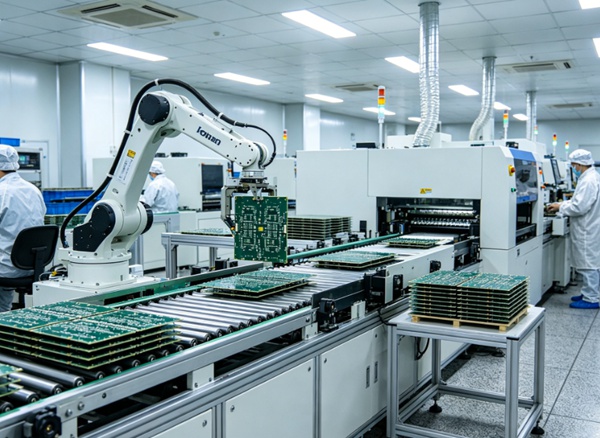
PCB factories handle the full fabrication process, including:
- imaging and etching
- drilling and plating
- surface finishing
Learn more: Inside a PCB Factory: Step-by-Step Process
What Is a PCB Supplier?
A PCB supplier acts as an intermediary between customers and manufacturers.
Key characteristics
- does not always own production facilities
- outsources manufacturing to third-party factories
- focuses on sourcing and coordination
- may provide multi-factory options
Suppliers can sometimes offer flexibility, but they may have limited control over production quality.
Key Differences Between PCB Factory and Supplier
1. Manufacturing Control
PCB Factory
- direct control over production
- consistent process standards
- better traceability
PCB Supplier
- relies on external factories
- quality depends on selected partners
2. Quality Assurance
PCB Factory
- in-house inspection (AOI, E-test)
- standardized quality systems
PCB Supplier
- quality depends on the subcontracted factory
- may have less direct oversight
Quality systems are explained in: PCB Quality and Reliability Guide
3. Pricing Structure
PCB Factory
- more transparent pricing
- fewer middle costs
PCB Supplier
- includes markup
- pricing may vary depending on sourcing
Cost factors are discussed in: PCB Pricing Explained: From Prototype to Mass Production
4. Engineering Support
PCB Factory
- direct DFM feedback
- strong CAM engineering capability
PCB Supplier
- may provide limited technical feedback
- relies on factory input
DFM support: PCB Design for Manufacturing Guidelines
5. Communication Efficiency
PCB Factory
- direct communication with engineers
- faster issue resolution
PCB Supplier
- communication may pass through multiple layers
When Should You Choose a PCB Factory?
A PCB factory is usually the better choice when:
- Your design is complex (multilayer, HDI, etc.)
- You require stable quality
- You need engineering support
- You plan long-term production
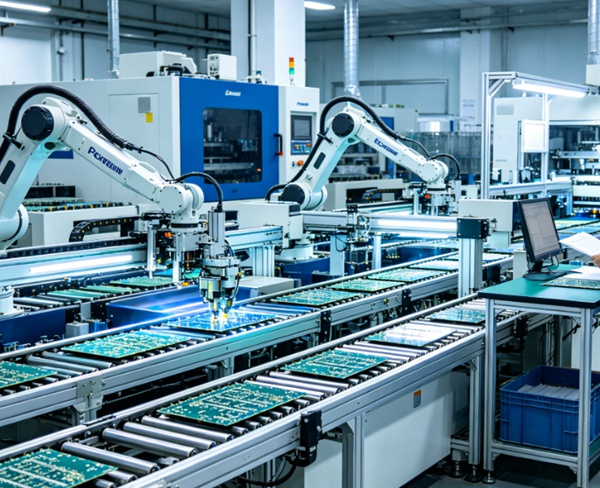
Factories provide better control and consistency.
When Should You Choose a PCB Supplier?
A supplier may be suitable when:
- You need multi-source flexibility
- You are comparing multiple factories
- Your project is simple and low-risk
However, supplier-based sourcing may introduce variability.
PCB Factory vs Supplier: Which Is Better?
There is no one-size-fits-all answer.
For most engineering-driven projects:
PCB factory is the preferred option
Because it offers:
- better process control
- stronger quality assurance
- direct technical support
At PCB manufacturers such as TOPFAST, engineering teams typically work directly with customers to review designs and ensure manufacturability before production.
How to Choose Between Them
- Step 1 — Evaluate project complexity
Complex boards benefit from factory-level support.
- Step 2 — Consider quality requirements
High-reliability products require direct manufacturing control.
- Step 3 — Compare total cost
Look beyond price—consider yield and long-term cost.
- Step 4 — Assess communication needs
Direct access to engineers improves efficiency.
If you’re selecting a partner, see: How to Choose a PCB Factory
Common Mistakes in PCB Sourcing
Assuming all suppliers are manufacturers
Many suppliers outsource production.
Choosing based on price alone
Lower price may reduce quality and reliability.
Ignoring engineering support
Lack of DFM feedback increases production risk.
Conclusion
Understanding the difference between a PCB factory and a PCB supplier is essential for making the right sourcing decision.
While suppliers may offer flexibility, PCB factories provide greater control, better quality assurance, and stronger engineering support.
For most technical and long-term projects, working directly with a PCB factory leads to more reliable and cost-effective outcomes.
FAQ
A: A PCB factory manufactures circuit boards directly, while a supplier typically outsources production.
A: For most projects, yes. PCB factories offer better quality control and engineering support.
A: They may include additional markup, depending on their sourcing model.
A: Yes, suppliers may offer access to multiple factories, which can be useful for comparison.