Prototype or production—which should you choose?
Many PCB projects start with prototypes, but not all designs are ready for mass production. Misunderstanding the differences between these two stages can lead to:
- unexpected cost increases
- production delays
- quality issues
Understanding how prototype and production PCBs differ helps you:
- Plan your manufacturing strategy
- reduce risks
- optimize cost and performance
If you’re comparing costs: PCB Pricing Explained: From Prototype to Mass Production
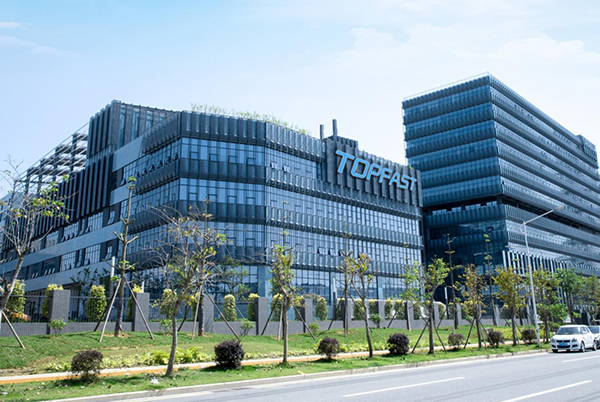
Table of Contents
What Is a PCB Prototype?
A PCB prototype is a small batch of boards used for testing and validation.
Purpose
- verify circuit functionality
- test design performance
- identify design issues
Characteristics
- low quantity (1–50 pcs)
- fast turnaround
- limited process optimization
What Is PCB Mass Production?
Mass production involves manufacturing large quantities of PCBs for commercial use.
Purpose
- stable product delivery
- cost efficiency
- consistent quality
Characteristics
- high volume
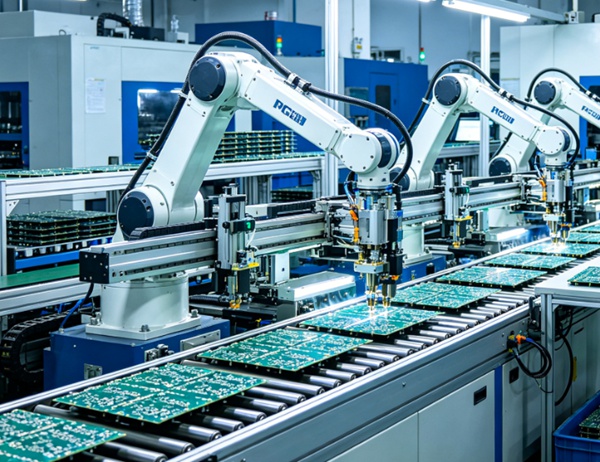
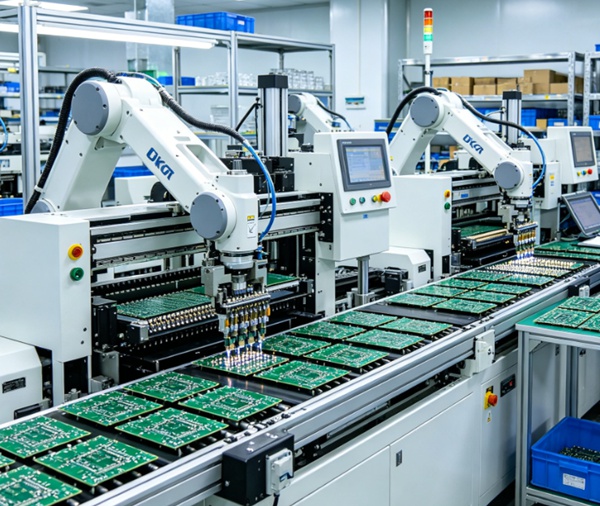
- optimized production process
- strict quality control
Key Differences Between Prototype and Production
1. Manufacturing Process
Prototype
- faster setup
- less optimization
- flexible process
Production
- highly optimized workflow
- standardized process control
- efficiency-focused
Process details: Inside a PCB Factory: Step-by-Step Process
2. Cost Structure
Prototype
- higher unit cost
- full setup cost applied
Production
- lower unit cost
- economies of scale
Detailed explanation: PCB Pricing Explained: From Prototype to Mass Production
3. Lead Time
Prototype
- faster delivery (urgent builds possible)
Production
- longer lead time due to volume and process optimization
4. Design Stability
Prototype
- design may still change
- used for iteration
Production
- design must be finalized
- changes are costly
5. Quality and Consistency
Prototype
- acceptable for testing
- may not reflect full production stability
Production
- strict quality control
- consistent batch performance
Quality system: PCB Quality and Reliability Guide
6. Panelization and Efficiency
Prototype
- less efficient panel usage
Production
- optimized panelization reduces cost
Related: PCB Panelization Design Guidelines
When Should You Use a PCB Prototype?
Use prototyping when:
- you are testing a new design
- you expect design revisions
- functionality has not been validated
When Should You Move to Production?
Transition to production when:
- design is stable and verified
- DFM issues are resolved
- testing results are consistent
DFM reference: PCB Design for Manufacturing Guidelines
Common Mistakes When Transitioning to Production
Moving too early
Unverified designs can cause large-scale defects.
Skipping DFM review
Leads to manufacturability issues.
Ignoring yield considerations
Prototype success does not guarantee production yield.
How to Transition Smoothly from Prototype to Production
- Step 1 — Validate design thoroughly
Ensure functionality and performance are confirmed.
- Step 2 — Conduct DFM review
Identify manufacturability issues before scaling.
- Step 3 — Optimize design
Adjust for:.panelization
.material selection
.process compatibility - Step 4 — Run pilot production
Small batch production reduces risk.
How a PCB Factory Supports This Transition
A capable PCB factory helps bridge the gap between prototype and production.
Key support areas
- engineering review (DFM/CAM)
- process optimization
- yield improvement
- cost optimization
At PCB manufacturers such as TOPFAST, engineering teams typically assist customers in transitioning from prototype validation to stable mass production by identifying potential risks early in the process.
Prototype vs Production: Quick Comparison
| Factor | Prototype | Production |
|---|---|---|
| Quantity | Low | High |
| Cost per Unit | High | Low |
| Lead Time | Fast | Moderate |
| Process Optimization | Low | High |
| Design Stability | Flexible | Fixed |
| Risk Level | Higher | Lower |
Conclusion
PCB prototyping and mass production serve different roles in product development.
Prototypes help validate designs, while production ensures efficiency and consistency at scale. Understanding the differences between these stages allows engineers and buyers to plan better, reduce risks, and achieve more reliable manufacturing outcomes.
FAQ
A: Prototype PCBs are used for testing, while production PCBs are manufactured in large quantities for final products.
A: Because setup costs are applied to a small number of units.
A: After design validation, DFM review, and successful testing.
A: Not always. Production processes are more optimized and consistent.