Not all PCB factories are the same.
Two suppliers may offer similar pricing, but the final product quality—and production consistency—can be very different.
For engineers and sourcing teams, choosing the right PCB factory is not just about cost. It’s about ensuring:
- consistent quality
- reliable delivery
- long-term production stability
If you’re evaluating suppliers, you may also want to understand: PCB Factory vs PCB Supplier: What’s the Difference?
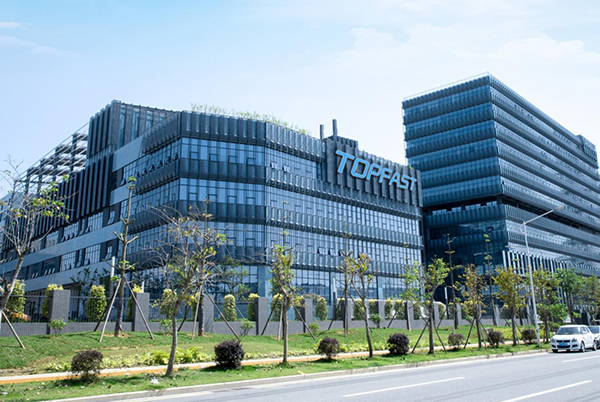
Table of Contents
1. Strong Process Control
A high-quality PCB factory operates with strict process control at every stage.
Why it matters
PCB manufacturing involves multiple steps, including:
- imaging
- etching
- drilling
- plating
Each step must be precisely controlled to avoid defects.
A detailed process breakdown: Inside a PCB Factory: Step-by-Step Process
What to look for
- standardized workflows
- controlled production environment
- documented procedures
2. Advanced Equipment and Technology
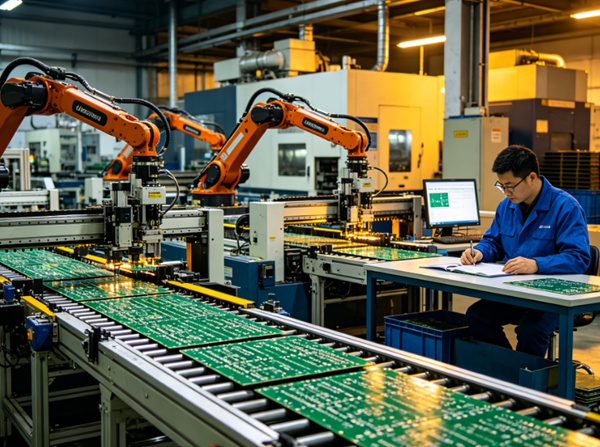
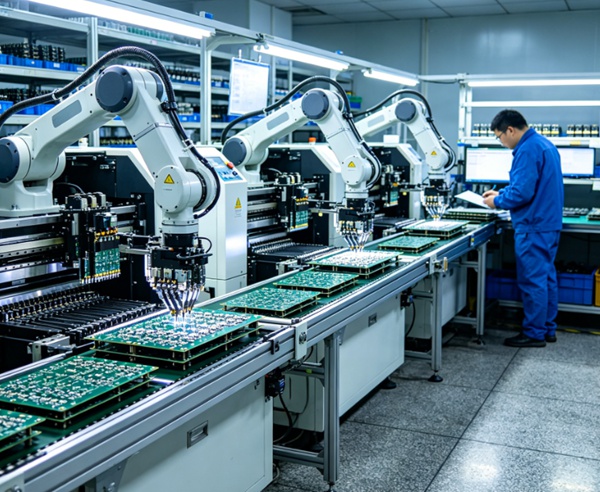
Modern PCB manufacturing requires high-precision equipment.
Examples
- CNC drilling machines
- laser drilling systems (for HDI)
- automated plating lines
- AOI inspection systems
Outdated equipment often leads to:
- inconsistent quality
- higher defect rates
3. Material Quality and Traceability
Raw materials are the foundation of PCB reliability.
Key materials
- copper-clad laminates
- prepreg
- surface finish chemicals
Why traceability matters
A reliable PCB factory can track:
- material batches
- supplier sources
- production history
This ensures accountability and consistency.
4. Engineering Support (DFM & CAM)
Engineering capability is one of the biggest differentiators.
What strong factories provide
- DFM (Design for Manufacturing) review
- CAM engineering optimization
- stackup recommendations
- cost optimization suggestions
Learn more: PCB Design for Manufacturing Guidelines
Why it matters
Good engineering support helps:
- reduce production errors
- improve yield
- lower overall cost
5. Quality Inspection and Testing Systems
High-quality PCB factories implement multiple inspection stages.
Common inspection methods
- AOI (Automated Optical Inspection)
- electrical testing (E-test)
- X-ray inspection (for complex boards)
Quality systems overview: PCB Quality and Reliability Guide
What to look for
- multi-stage inspection
- standardized testing procedures
- defect tracking systems
6. Consistent Production Capability
Consistency is more important than one-time quality.
Why it matters
A factory that produces good samples but has inconsistent batches poses a risk in mass production.
Indicators of consistency
- stable yield rates
- repeatable processes
- controlled production scaling
7. Transparent Quotation and Cost Structure
A high-quality PCB factory provides clear and transparent pricing.
What transparency looks like
- clear breakdown of cost factors
- Explanation of price differences
- realistic lead times
Pricing insights: PCB Pricing Explained: From Prototype to Mass Production
8. Communication and Technical Responsiveness
Efficient communication reduces delays and errors.
What to expect
- fast response time
- direct access to engineers
- clear technical explanations
Poor communication often leads to:
- misunderstandings
- production mistakes
- delays
9. Ability to Handle Complex Projects
A strong PCB factory should support advanced requirements.
Examples
- multilayer PCBs
- HDI boards
- fine-pitch designs
- high-frequency materials
Why it matters
Even if your current design is simple, future scalability is important.
10. Real Manufacturing Experience
Experience plays a key role in handling real-world challenges.
Experienced factories can:
- anticipate production risks
- solve complex issues quickly
- provide practical design suggestions
At PCB manufacturers such as TOPFAST, engineering experience and process control are key factors in ensuring consistent manufacturing quality across different project types.
How to Evaluate a PCB Factory (Checklist)
Before choosing a partner, ask:
- Do they control their own manufacturing?
- Do they provide DFM feedback?
- What inspection systems do they use?
- Can they handle your complexity level?
- Is their pricing transparent?
If you’re selecting a supplier: How to Choose a PCB Factory
Common Mistakes When Choosing a PCB Factory
Choosing based on price only
Low price may compromise quality and reliability.
Ignoring engineering capability
Weak DFM support increases risk.
Overlooking production consistency
Prototype success does not guarantee stability in mass production.
Conclusion
A high-quality PCB factory is defined not just by its equipment or pricing, but by its ability to deliver consistent, reliable results across all stages of production.
By evaluating factors such as process control, engineering support, material quality, and inspection systems, engineers and buyers can make better sourcing decisions and reduce long-term manufacturing risks.
FAQ
A: A high-quality PCB factory has strong process control, engineering support, quality inspection systems, and consistent production capability.
A: You can evaluate based on equipment, engineering support, inspection systems, and production consistency.
A: Not always. Lower prices may indicate lower quality or reduced process control.
A: DFM helps ensure that designs can be manufactured efficiently, reducing defects and cost.