Medical electronics are among the most quality-sensitive products in the electronics industry.
Unlike consumer devices, medical equipment often operates in environments where reliability directly affects:
- patient safety
- device accuracy
- long-term stability
Even small PCB defects can create major risks in medical applications.
For this reason, choosing the right PCB factory is critical.
If you’re evaluating supplier quality systems: What Makes a High-Quality PCB Factory

Table of Contents
Why Medical PCB Manufacturing Is Different
Medical PCB manufacturing requires tighter control than standard electronics production.
Main reasons
- strict regulatory requirements
- long product lifecycle
- high reliability expectations
Medical products cannot tolerate inconsistent manufacturing.
Key Requirements for a Medical PCB Factory
1. Strict Quality Management Systems
Medical PCB production requires advanced quality systems.
Important standards
- ISO 9001
- ISO 13485 (medical device quality management)
Why it matters
These systems ensure:
- controlled manufacturing
- documentation consistency
- traceability
Certification guide: PCB Certifications Explained
2. Process Stability and Consistency
Medical devices require repeatable manufacturing quality.
Critical factors
- stable production parameters
- controlled environments
- low defect variation
Consistency is more important than short-term cost savings.
3. Full Traceability
Medical manufacturing requires complete tracking of:
- raw materials
- production batches
- inspection records
Traceability helps identify and isolate issues quickly.
4. Advanced Inspection and Testing
Medical PCBs require extensive verification.
Common inspection methods
Additional testing may include
- functional testing
- reliability testing
Quality control: How PCB Factories Control Quality
5. High Reliability Materials
Medical PCBs often require materials with:
- high thermal stability
- long-term durability
- strong electrical performance
Material quality affects device lifespan and safety.
6. Engineering Support and DFM Review
Engineering teams help ensure manufacturability and reliability.
Includes
- DFM analysis
- stackup optimization
- thermal considerations
DFM guide: PCB Design for Manufacturing Guidelines
Common Medical PCB Applications
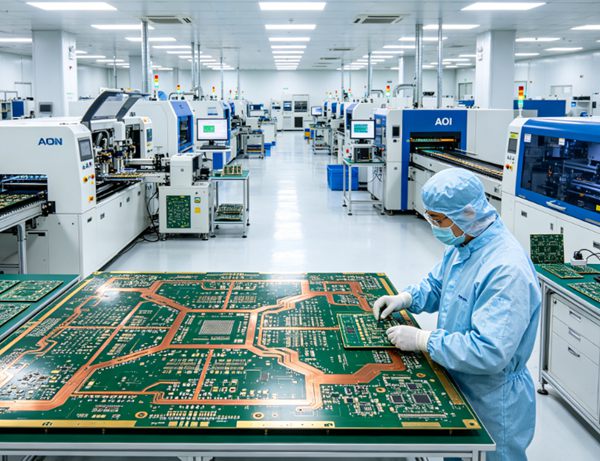
Medical PCBs are widely used in:
- patient monitoring systems
- imaging equipment
- diagnostic devices
- surgical electronics
These applications require extremely stable performance.
Common Risks in Medical PCB Manufacturing
Inconsistent production quality
May affect device reliability.
Poor traceability
Makes problem analysis difficult.
Insufficient testing
Hidden defects may reach the market.
Choosing suppliers based only on price
Can increase long-term risk.
How to Evaluate a Medical PCB Factory
- Step 1 — Verify certifications
Check for:
. ISO 9001
. ISO 13485 (if applicable) - Step 2 — Review inspection systems
Ask about:
. AOI
. E-test
. traceability systems - Step 3 — Evaluate engineering support
Medical projects often require close technical collaboration.
- Step 4 — Review production consistency
Ask about defect control and process stability.
Checklist reference: PCB Factory Capabilities Checklist
Why Reliability Matters More Than Cost
In medical applications:
- Product failure costs are extremely high
- Recalls can damage reputation and compliance status
A reliable PCB factory reduces these long-term risks.
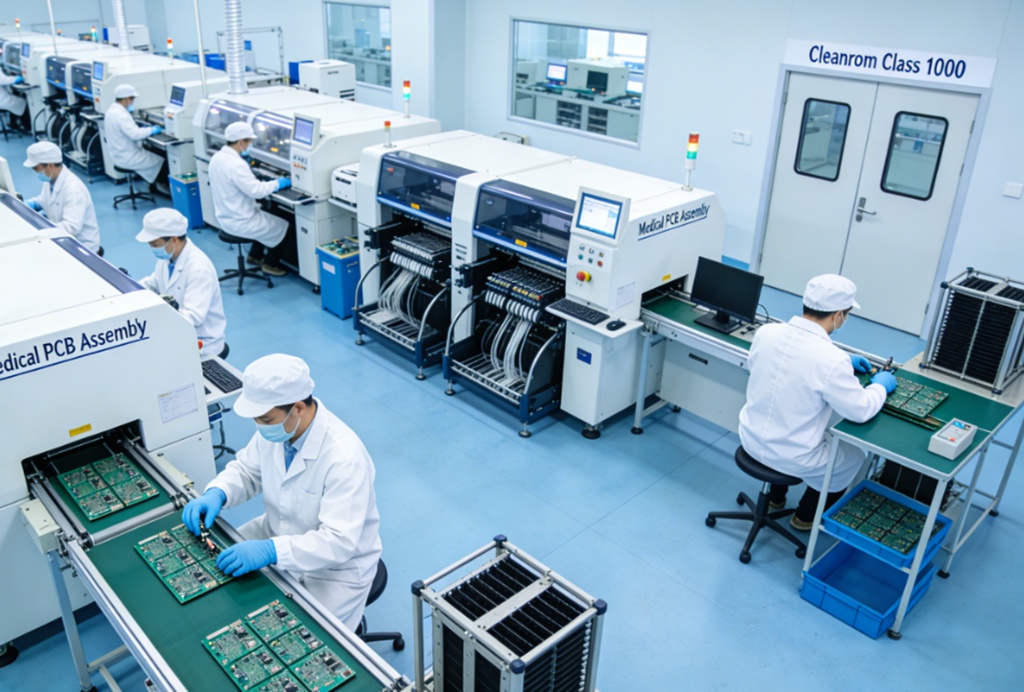
Real Manufacturing Perspective
Medical PCB manufacturing requires disciplined quality management and controlled production systems.
At manufacturers such as TOPFAST, medical-related PCB projects are supported by process control, traceability management, inspection systems, and engineering collaboration to help ensure stable, reliable production quality.
Conclusion
Medical PCB manufacturing requires a higher standard of quality, consistency, and traceability than standard electronics production.
Choosing the right PCB factory—with proper quality systems, testing capability, and engineering support—is essential for ensuring reliable medical device performance and reducing compliance risks.
In medical electronics, reliability is not optional—it is fundamental.
FAQ
A: ISO 9001 and ISO 13485 are commonly required for medical-related manufacturing.
A: They require extremely high reliability, traceability, and production consistency.
A: No, medical PCB production requires strict quality systems and advanced process control.
A: Testing may include AOI, electrical testing, X-ray inspection, and functional verification.
A: Traceability helps identify and isolate issues throughout the production lifecycle.
A: High-reliability and thermally stable materials are commonly used.