PCB Reliability Testing
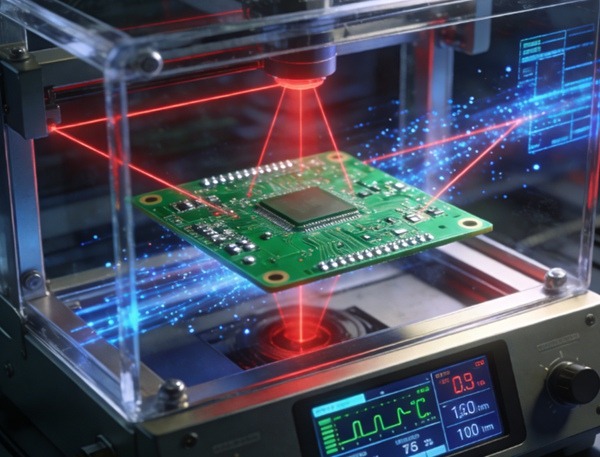
This article explains key PCB reliability tests like thermal cycling, mechanical stress, and electrical testing, detailing how they predict the board’s long-term performance and durability.
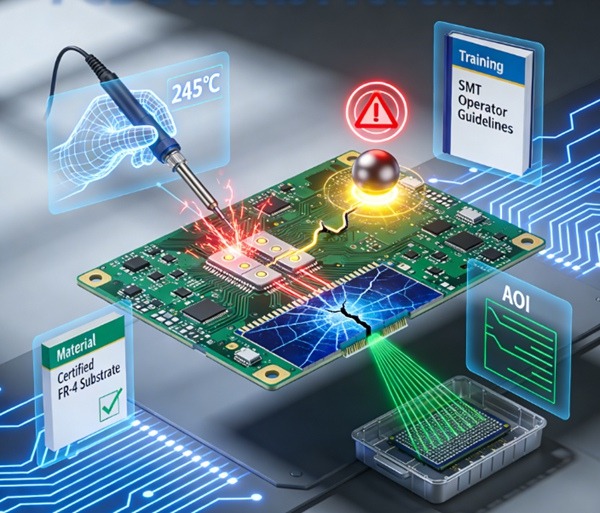
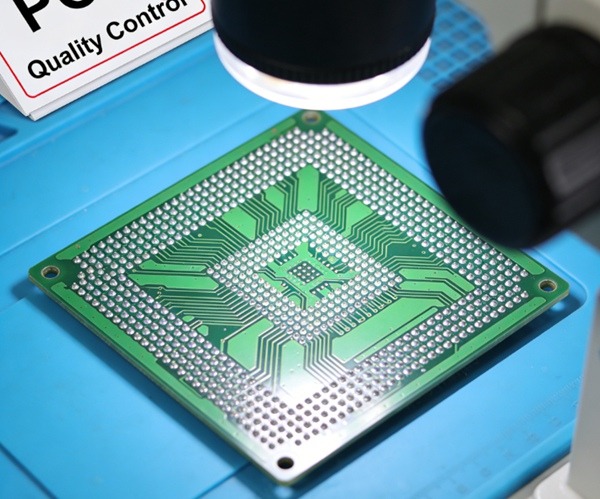
This article outlines common PCB manufacturing defects, analyzes their root causes, and provides preventive strategies through optimized design, material selection, and strict process control.
PCB quality hinges on material selection, design choices, manufacturing precision, and rigorous quality control. This guide details these key factors to ensure reliable and high-performance circuit board production.
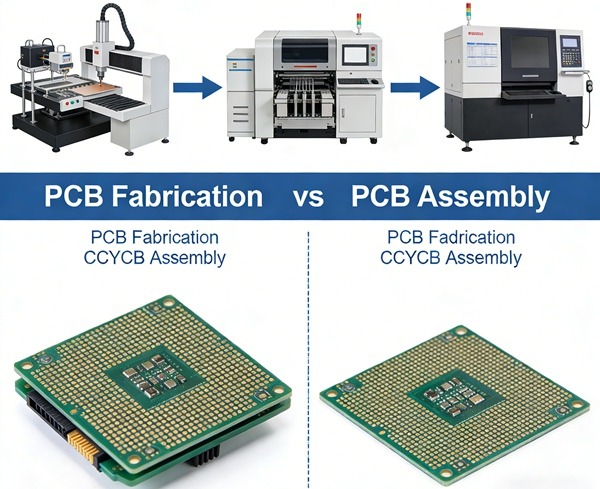
This overview compares PCB fabrication and assembly. Fabrication focuses on manufacturing the bare board, while assembly involves mounting components onto it. From a manufacturer’s perspective, key differences lie in processes, cost drivers, and strategies for yield optimization, both crucial for delivering a functional final product.
Learn to optimize PCB cost and yield across fabrication and assembly from a professional manufacturer’s perspective. This analysis covers key strategies in design, process, and manufacturing to minimize expenses while maximizing output quality and efficiency throughout the production lifecycle.
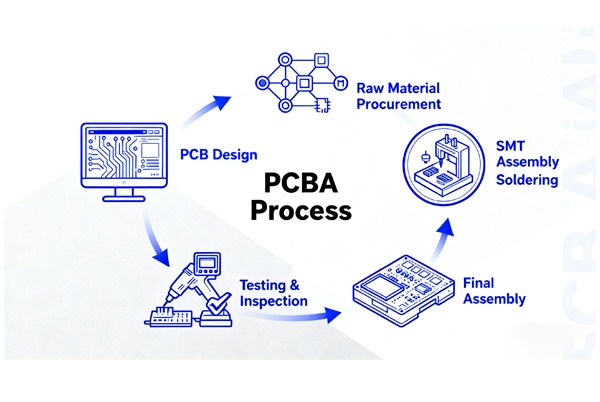
This article outlines the PCB assembly process from a professional manufacturer’s viewpoint. It explains key steps including SMT and through-hole technology, followed by essential testing procedures. The summary also covers the typical assembly workflow, common production challenges, and critical factors influencing yield and quality control.