TOPFAST PCB One-Stop Solutions

Blog

Flexible PCBs Ultimate Guide: Types, Design, and Applications

This guide introduces the types, structures, and design considerations of flexible PCBs, covering the distinctions and applicable scenarios of single-sided, double-sided, and multilayer flexible circuits. It provides detailed explanations of key technical aspects such as material selection, bend radius calculations, and the role of stiffeners, offering engineers practical design references and manufacturing considerations.

2025 fiee

The 2025 FIEE International Expo is currently underway

The 2025 FIEE International Power Electronics Exhibition in São Paulo, Brazil, opened on September 9 and will run through September 12. As South America’s largest and longest-running industry event, the exhibition serves as a key platform for global enterprises to connect with the South American market and seize opportunities in infrastructure upgrades and energy transition.

Rigid PCB

What is a rigid PCB, and how is a rigid PCB manufactured?

Rigid PCB characteristics, manufacturing processes, and key techniques are outlined, contrasting them with flexible PCBs. The document delves into enhancing reliability through material selection, design optimization, and process control. Specific selection recommendations and reliability design guidelines are provided for diverse application scenarios.

Aluminum Substrate PCB

What are the characteristics of aluminum-based PCBs?

Aluminum-based PCB is a metal-based circuit board specifically designed for high thermal dissipation requirements, offering exceptional thermal conductivity and mechanical stability. It serves diverse applications including LED lighting, automotive electronics, and power supply equipment, providing engineers with comprehensive technical references and design guidelines.

Ceramic PCB

What is a ceramic PCB, and what are the types of ceramic PCBs?

Ceramic PCBs are printed circuit boards with ceramic substrates, offering exceptional thermal conductivity, high-frequency performance, and high-temperature stability. They are primarily categorized into HTCC, LTCC, and thick-film ceramic types, suitable for high-reliability applications such as aerospace, 5G communications, automotive electronics, and medical devices.

SMT

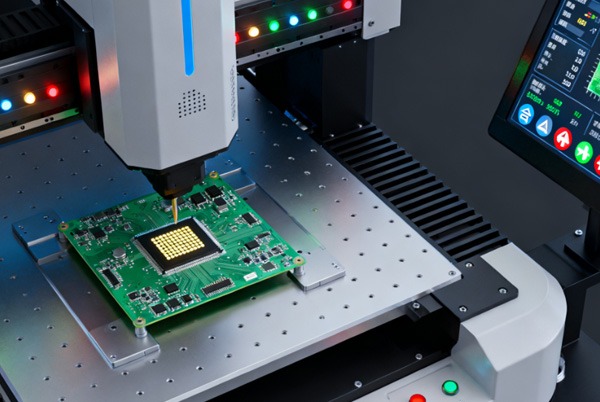
What Machinery is used in PCB manufacturing?

The application of key equipment at each stage of PCB production encompasses panel cutters, exposure systems, drilling units, plating lines, and testing instruments. By detailing the functions, operational challenges, and maintenance essentials of each equipment category, this aims to optimize production efficiency and product quality.

1 29 30 31 49