TOPFAST PCB One-Stop Solutions

Blog

6-Layer PCB Stackup

6-layer PCB Stacking Design and Manufacturing

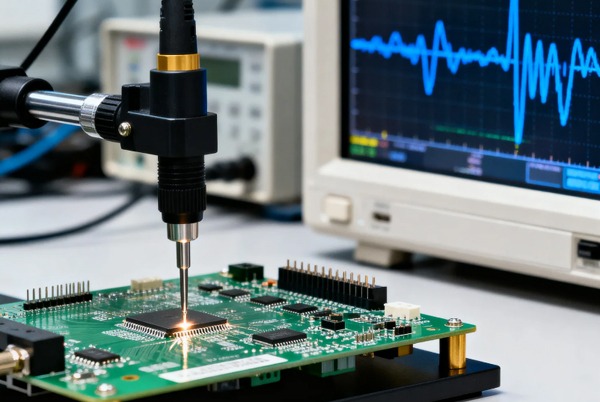
Electronic products are evolving rapidly, and printed circuit boards (PCBs) have evolved from simple single-layer or double-layer structures to complex multilayer boards with six or more layers to meet the growing demands for component density and high-speed interconnections. Six-layer PCBs offer engineers greater routing flexibility, improved layer separation capabilities, and optimized cross-layer circuit partitioning solutions. […]

SMT Patch Processing Terminals

SMT Patch Processing Terminals

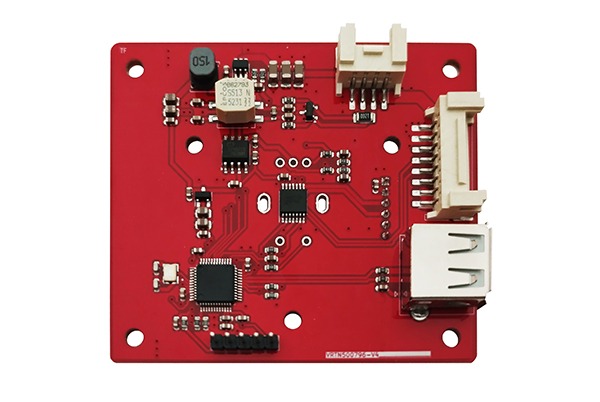
The critical role of SMT chip processing terminals in electronic manufacturing, detailing the characteristics of different types of terminals and their applicable scenarios, analyzing the process requirements and common problem solutions in the SMT processing process.

Multilayer PCB Manufacturing

Multilayer PCB Manufacturing and Quality Control

The quality of multilayer PCBs is determined by factors other than the number of layers. The misconception that “more layers mean better quality” should be dispelled. Reliability hinges on stacking design, material selection, and process control.

Medical PcB Manufacturing

Special Process for Medical PCB Manufacturing

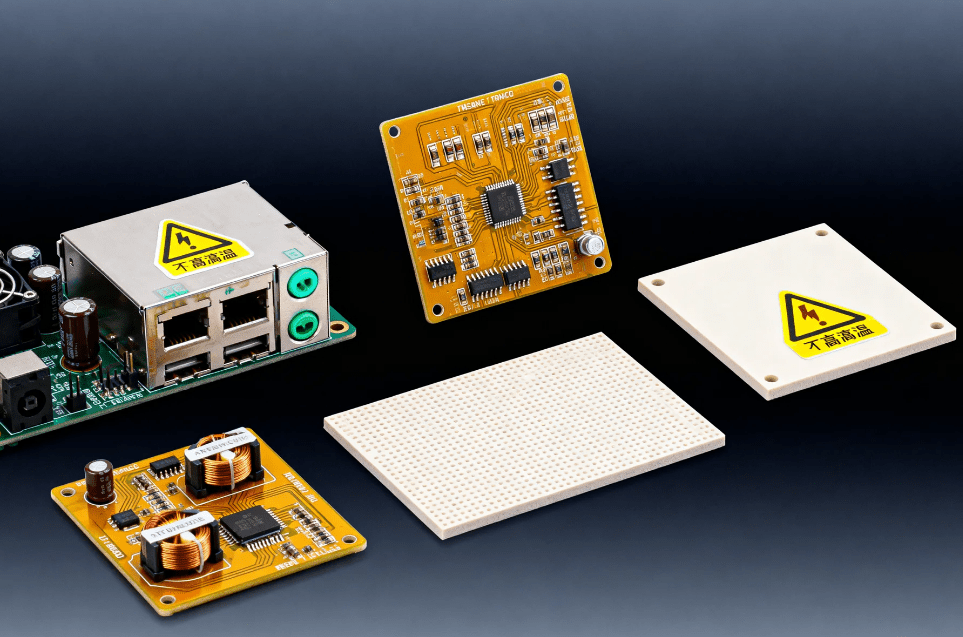
Medical electronic devices place far higher demands on printed circuit boards (PCBs) than traditional electronic products. Medical-grade PCBs have strict requirements in terms of material selection, cleanliness control, precision wiring, biological safety, and environmental durability.

PCB Annular Ring

PCB Annular Ring

Definition, calculation methods, manufacturing standards, and common issues related to PCB annular rings. This article delves into the critical role of annular rings in circuit board design, offering professional design recommendations and process control points to optimize PCB reliability.

PCBA manufacturing cost

What is the cost of manufacturing and assembling a PCB?

PCBA manufacturing costs include: PCB manufacturing (20-30% of total costs), component procurement (40-60%), assembly processes (SMT/DIP), and quality inspection. It also includes operational optimization strategies that enable manufacturers to strike a balance between quality and budget.

1 34 35 36 49