TOPFAST PCB One-Stop Solutions

Blog

PCB soldering

Does a development board made of PCB require soldering?

Whether a PCB development board requires soldering depends on its completion level and usage scenario. Finished development boards are typically pre-soldered and ready for immediate use; semi-finished boards may require additional soldering of pin headers or peripherals; blank PCBs require complete soldering.

Welding flaw detection

PCB Welding flaw detection

Welding, as an indispensable joining process in modern industry, directly affects the safety and service life of engineering structures. According to statistics, more than 60% of structural failure accidents are caused by welding defects, making welding flaw detection a key part of quality control.

PCB reliability

PCB Layer Selection Strategy

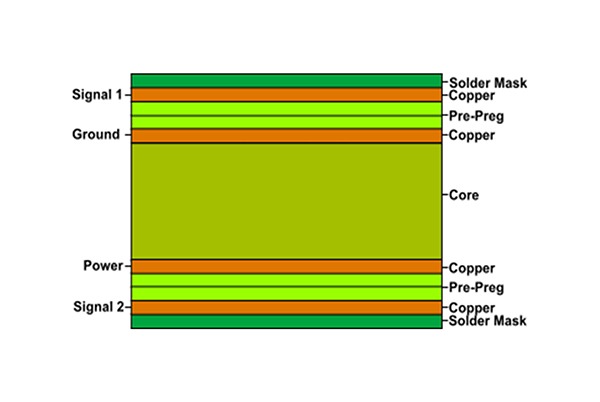
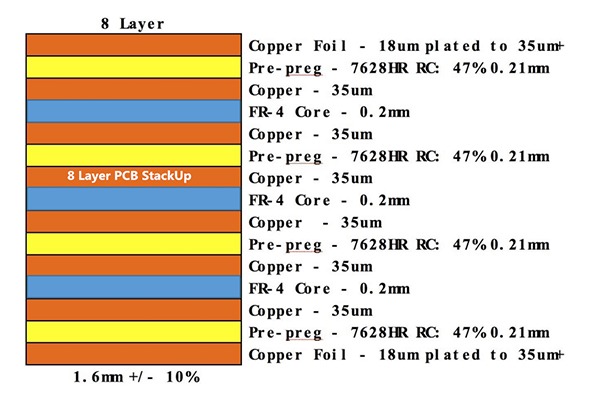
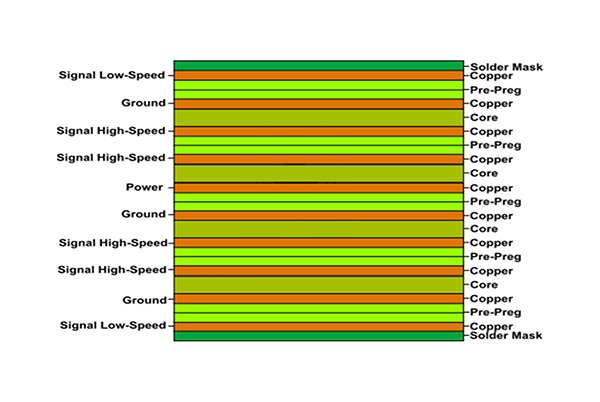
Delve into the expertise of PCB layer selection, from basic single-layer boards to complex 16-layer and above PCBs, analyzing the advantages and disadvantages, cost considerations, and typical application scenarios of each. Make informed decisions that balance performance and cost.

impedance control

How to design impedance control for PCB?

PCB impedance control is a core technology in high-speed circuit design, directly affecting signal integrity and system performance. How to achieve perfect impedance matching through precise material selection, layer stack design, line width calculation, and process control to safeguard your electronic design.

PCB cost

What is the cost of manufacturing multilayer PCB?

The cost structure of PCB circuit boards, the impact of increased layer counts, material selection, and special processes on costs. By establishing a comprehensive cost model, an optimization strategy based on Six Sigma design was proposed, and industry cost trends were predicted.

PCB reliability

What are the different types of PCB electroplating?

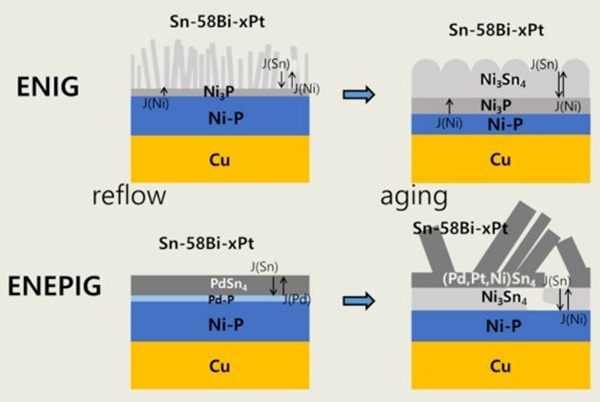
Electroplating types (ENIG, Sn/Pb, OSP, etc.), their application scenarios, and comparative advantages. Solutions to eight common electroplating defects (such as uneven thickness, discoloration, etc.) through equipment optimization, process parameter adjustments, and improvements to pre- and post-treatment methods.

1 39 40 41 49